
The National Sports Commission (NSC) and the Nigeria Football Federation (NFF) have announced a series of far-reaching decisions aimed at reshaping Nigerian football, including a record-breaking prize structure for the Nigeria Premier Football League (NPFL), improved terms for Super Eagles coach Eric Chelle, plans to return domestic football to television screens, and increased investment in women’s football.
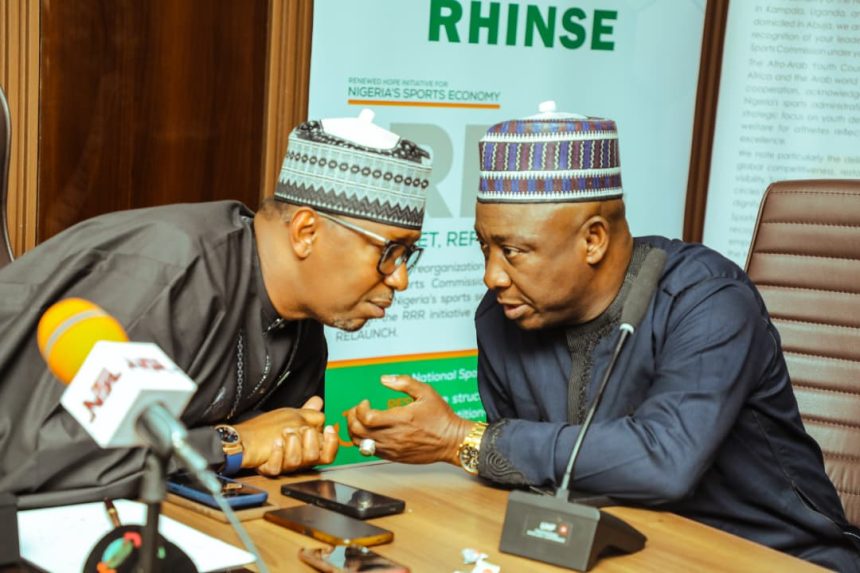
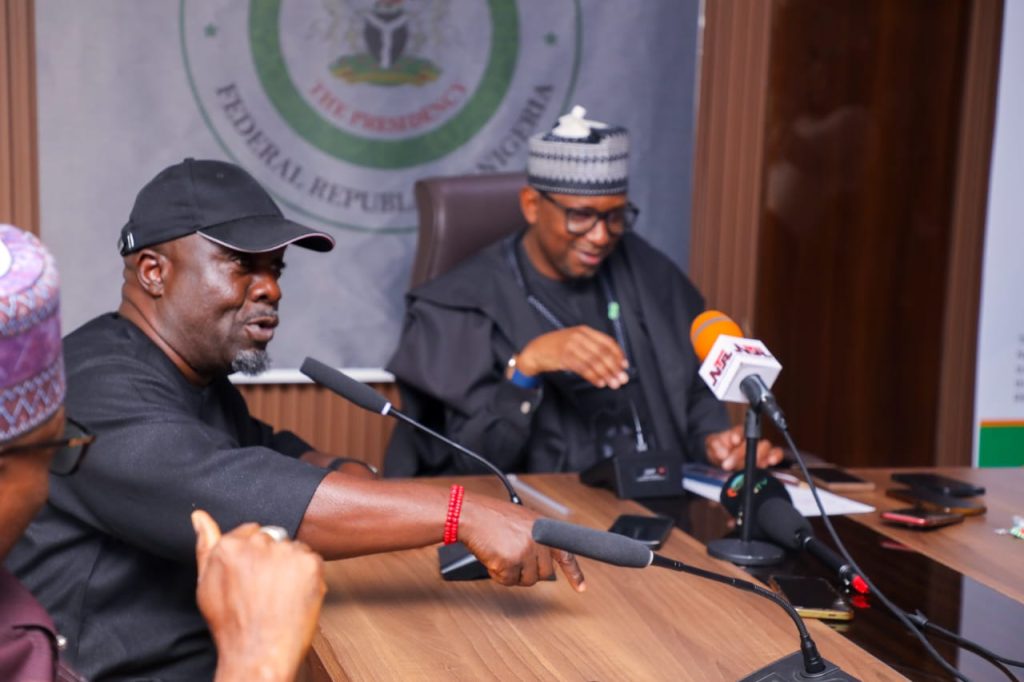
The decisions emerged from a high-level strategic meeting held at the NSC headquarters in Abuja on June 23, bringing together key football stakeholders, including NSC Chairman Shehu Dikko, NFF President Ibrahim Gusau, NFF General Secretary Mohammed Sanusi, and Super Eagles head coach Eric Chelle.
N2.5 Billion Prize Pool for NPFL
One of the biggest announcements was the proposed introduction of a ₦2.5 billion prize fund for the 2026/27 NPFL season.
Under the plan:
- League champions will receive ₦1 billion.
- Second place will earn ₦500 million.
- Third place will receive ₦300 million.
- Other clubs will receive graduated prize money based on their final league positions.
The initiative is designed to improve professionalism, increase competitiveness, and make Nigerian clubs more attractive to sponsors and investors.
Dikko also revealed plans to improve player welfare, with a long-term target of ensuring that no NPFL player earns less than ₦2 million annually.
Stricter Club Licensing Rules
The NSC and NFF agreed to enforce club licensing regulations more rigorously.
Clubs will be expected to meet requirements in areas such as:
- Infrastructure
- Youth development
- Financial management
- Corporate governance
- Player welfare
- Business development
Officials stressed that only clubs capable of meeting professional standards should participate in the top flight.
League Set to Return to Television
Another major objective is restoring widespread television coverage of Nigerian football.
According to Dikko, the NSC has allocated budgetary support to improve production quality and create a marketable television product for broadcasters.
The move is expected to increase visibility for clubs, attract sponsors, and help grow the commercial value of the NPFL.
New Contract for Eric Chelle
The meeting also confirmed a significantly improved contract package for Super Eagles coach Eric Chelle.
Key details include:
- Increased salary and benefits.
- NSC and NFF taking responsibility for funding his support staff.
- Contract extension expected to run until 2030.
- Additional responsibility as head coach of Nigeria’s U-23 team.
The decision is aimed at creating a seamless pathway between youth and senior national teams.
Chelle to Lead Olympic Eagles
In a major structural change, Chelle will also take charge of the Olympic Eagles.
The strategy is designed to ensure continuity as Nigeria prepares for:
- The 2027 AFCON
- The 2028 Olympic Games in Los Angeles
- The 2030 FIFA World Cup
Officials believe having one technical leadership structure will help accelerate the development of young players and improve their transition into the senior national team.
Focus on Women’s Football
The NSC also reaffirmed its commitment to the Super Falcons ahead of the upcoming WAFCON tournament.
Plans include:
- Enhanced support for Nigeria’s title defence.
- Creation of a fundraising committee dedicated to women’s football.
- Future consultations with stakeholders regarding improvements to the women’s league structure.
Private-Sector Investment a Priority
Both organisations emphasised the need for greater private-sector participation in football administration and development.
Officials believe sustainable growth can only be achieved through partnerships with corporate organisations rather than relying solely on government funding.
A Potential Turning Point
If successfully implemented, the decisions announced could represent one of the most significant reforms in Nigerian football in recent years.
The combination of increased league funding, stricter professional standards, improved coaching structures, enhanced television coverage, and stronger support for women’s football signals a clear intention to rebuild Nigerian football from the grassroots level to the elite stage.
The coming months will now be crucial as the NSC and NFF move from ambitious plans to practical implementation. For Nigerian football supporters, the hope is that these reforms will finally create the foundation needed to compete consistently with Africa’s leading football nations both on and off the pitch.