

At just 18, Simeon Rapsch is already attracting attention beyond the Bundesliga. The Bayer Leverkusen goalkeeper has emerged as a potential target for Nigeria’s youth national teams, placing his international future at the centre of growing interest from two countries with a claim to his footballing allegiance.
Born in Cologne on February 9, 2008, Rapsch possesses both German and Nigerian nationality through his parentage. Standing at 1.90 metres, the young shot-stopper is developing within one of Germany’s prominent football academies, where his progress has brought him closer to the senior setup.
His rise has not gone unnoticed. After joining Leverkusen from Viktoria Köln in 2024, following an earlier spell in the Fortuna Düsseldorf academy, Rapsch has established himself with the club’s U19 side. He has also had opportunities to train with the first team, including during pre-season preparations earlier this year.
In July 2026, Leverkusen further demonstrated their confidence in his potential by extending his contract until June 2029, securing his services for the coming years.
Yet, while his club future appears settled for now, the question of which country he will represent at the senior international level remains unresolved.
Germany Has the Early Advantage
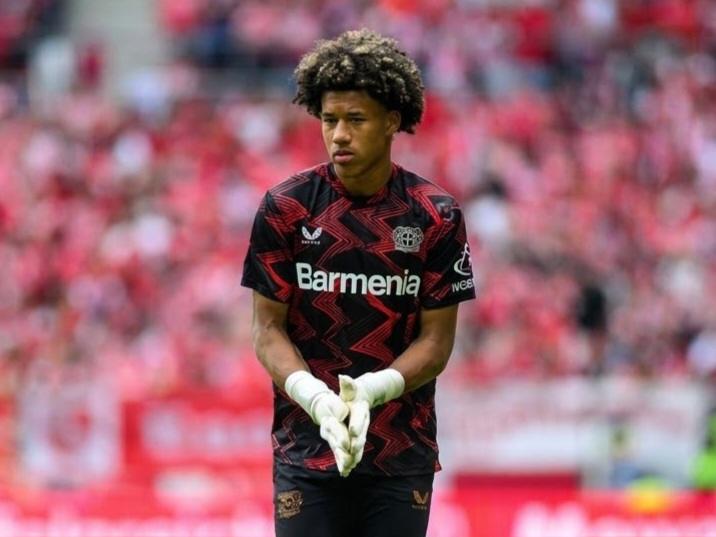
Rapsch has already worn Germany’s colours at under-18 and under-19 level, giving the European nation an advantage in his international development.
Those appearances have placed him within the German Football Association’s youth structure, where he can continue gaining experience against players of his age group. His involvement has also strengthened his connection to the country where he was born and developed as a footballer.
According to reports, German football authorities are keen to retain him within their system as interest from Nigeria grows. Continued involvement in youth fixtures could help maintain his progression through Germany’s age-group teams.
However, representing Germany at the youth level does not automatically mean that Rapsch is permanently committed to the senior national team. His precise eligibility to change sporting nationality would depend on his circumstances and the applicable FIFA regulations.
For now, the goalkeeper has yet to make a definitive senior international commitment.
Nigeria Sees an Opportunity
For Nigeria, Rapsch represents the kind of emerging talent who could strengthen the country’s options between the posts.
The Super Eagles have long looked beyond their domestic leagues to identify players of Nigerian heritage developing in Europe. The country’s youth teams have similarly sought to attract eligible prospects who could contribute to their international ambitions.
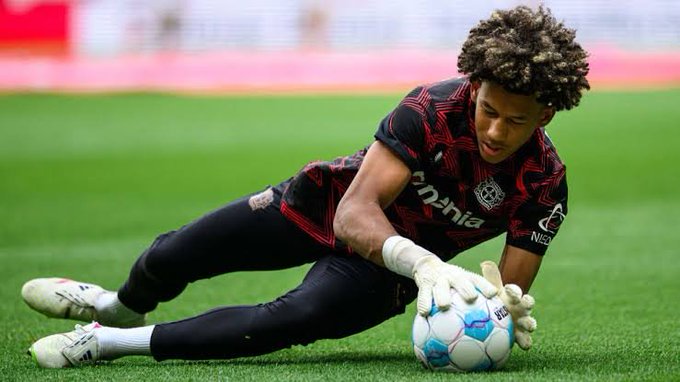
With the U23 Africa Cup of Nations qualifying campaign approaching, Nigeria’s coaching setup, led by Éric Chelle according to reports, has reportedly identified the Leverkusen youngster as a potential addition to the Dream Team.
The timing makes the situation particularly interesting. Nigeria are preparing for their qualifying fixtures against the Democratic Republic of Congo, and a goalkeeper developing within a Bundesliga academy could offer an appealing option for the future.
Nevertheless, interest from the Nigerian setup does not necessarily mean that a switch is imminent. Rapsch’s own preference, his eligibility and the relevant international clearance requirements would all play a part in determining what happens next.
A Decision That Could Shape His Future
At this stage of his career, Rapsch faces a choice that extends beyond the immediate opportunity to represent either country at the youth level.
Germany offers continuity within a national development system he already knows, having represented the country at two youth age groups. Nigeria, meanwhile, provides an opportunity to connect with his heritage and potentially pursue a different international pathway.
Neither route guarantees senior international football. His continued development at Leverkusen, performances at youth level and progress towards first-team football will remain important factors in shaping his prospects.
Leverkusen’s confidence in the teenager is reflected in his contract extension and his exposure to the senior squad. The club’s director of football, Kim Falkenberg, has reportedly praised his attributes and potential to succeed at a professional level.
That assessment underlines why his international future is attracting attention before he has even established himself as a regular senior professional.
The Wider Battle for Nigerian Heritage Talents
Rapsch’s situation reflects a wider trend in international football, where national associations compete to secure the allegiance of young players eligible to represent more than one country.
For Nigeria, identifying these prospects early can create opportunities to strengthen future squads. For Germany, retaining promising academy graduates helps protect the long-term investment made in their development.
Such decisions are not always straightforward. A player’s birthplace, family connections, football education and personal ambitions can all influence the country he eventually chooses to represent.
In Rapsch’s case, his existing involvement with Germany gives the European nation a clear starting point, but Nigeria’s reported interest ensures that the possibility of another international pathway remains part of the conversation.
The Final Decision Belongs to Rapsch
As Nigeria prepare for their U23 AFCON qualifying campaign and Germany continue developing their young goalkeeper, attention will remain on the next steps in Rapsch’s career.
For now, he remains a Bayer Leverkusen player, contracted to the Bundesliga club until June 2029 and continuing his development within its youth system.
Whether he eventually represents Germany or Nigeria at senior international level remains an open question. Until his intentions are clearer and the relevant eligibility requirements are established, any suggestion that either country has secured his allegiance would be premature.
At 18, Rapsch has time to develop his game and consider his op