
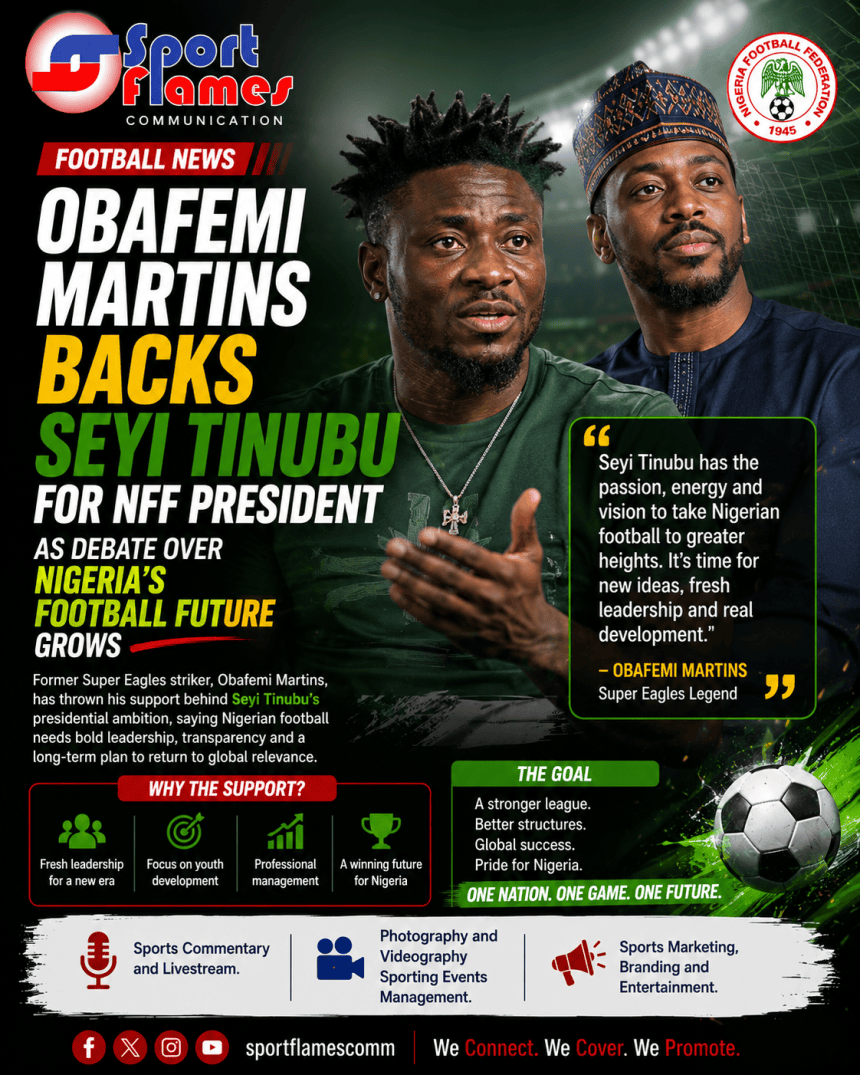


Former Super Eagles striker Obafemi Martins has backed Seyi Tinubu as a potential president of the Nigeria Football Federation (NFF), arguing that younger leadership could help change the direction of Nigerian football.
Martins made the comments during an appearance on the Obi One Podcast hosted by former Super Eagles captain John Obi Mikel, at a time when Nigerian football is facing a major leadership crisis.
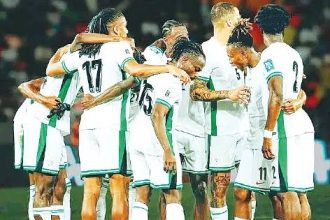
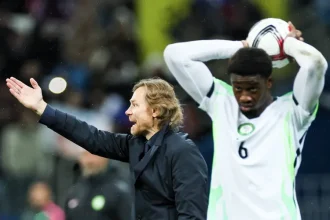
The NFF has been thrown into uncertainty following the resignation of president Ibrahim Gusau, general secretary Mohammed Sanusi and members of the federation’s executive committee. The development came after a difficult period for Nigeria’s national teams, including the Super Eagles’ failure to qualify for the 2026 FIFA World Cup and the Super Falcons’ failure to reach the 2027 Women’s World Cup.
While discussing the problems facing Nigerian football, Martins argued that the country needs younger people who understand both football and the system surrounding the sport.
He then singled out Seyi Tinubu as someone he believes could provide that type of leadership.
“I think Seyi Tinubu can be the president of the NFF,” Martins said, adding that Tinubu is young, understands what Nigerians want and could help change the situation.
Martins also acknowledged that Tinubu is not currently the NFF president but said he believes he has already been making efforts to contribute.
The endorsement has attracted attention because Seyi Tinubu, 40, is the son of President Bola Ahmed Tinubu, whose administration has called for a comprehensive overhaul of Nigerian football following the recent crisis.
Despite Martins’ comments, there is currently no indication that Seyi Tinubu has formally declared his intention to contest for the NFF presidency.
His name has therefore entered the conversation largely because of Martins’ public endorsement rather than through an announced candidacy.
That distinction is important as Nigerian football moves towards a new administrative structure. The NFF’s electoral process has been disrupted by the recent resignations and wider reform discussions.
Other names have also featured in conversations around the federation’s future, including former NFF president Amaju Pinnick, former Nigeria international Segun Odegbami and Remo Stars owner Kunle Soname.

Martins’ suggestion has not received universal support, former Super Eagles defender Ifeanyi Udeze openly rejected the idea of Seyi Tinubu becoming NFF president, describing Martins’ choice as a bad idea.
Udeze questioned why Martins would specifically identify Seyi Tinubu when there are other younger Nigerians with football experience who could potentially lead the federation.
He suggested former Super Eagles midfielder Seyi Olofinjana as an example of a younger football personality who could be considered.
“For me it’s a bad idea,” Udeze said while speaking on BRILA FM.
The disagreement between the two former internationals highlights the wider question facing Nigerian football: should the next NFF leadership come primarily from established football administrators, former players or a new generation of leaders with a different approach to sports management?
The debate goes beyond the identity of one potential candidate, Nigeria’s next football administration will inherit major challenges, including national team performance, grassroots development, domestic competitions, football infrastructure, administration and the relationship between the federation and other stakeholders.
The recent crisis has also increased calls for stronger accountability and structural reforms.
FIFA has been involved in discussions with Nigerian officials over the proposed reform process, while the country’s football authorities work towards establishing a new governance structure.
For whoever eventually takes charge of the NFF, expectations will be high, the Super Eagles need a stronger pathway towards major tournaments, the Super Falcons need to recover from their failure to qualify for the 2027 Women’s World Cup, while Nigeria’s domestic football system requires sustained investment and better administration.
Obafemi Martins’ support for Seyi Tinubu has therefore added another layer to an already complicated NFF leadership debate.
Whether Seyi Tinubu eventually becomes involved in the race remains uncertain. For now, the discussion is based on Martins’ endorsement rather than an official declaration from Tinubu.
The bigger issue, however, is what Nigerian football needs from its next administration.
After years of frustration among supporters and stakeholders, the next NFF leadership will be judged less by its promises and more by its ability to improve the country’s football structures, strengthen the national teams and restore confidence in the federation.