

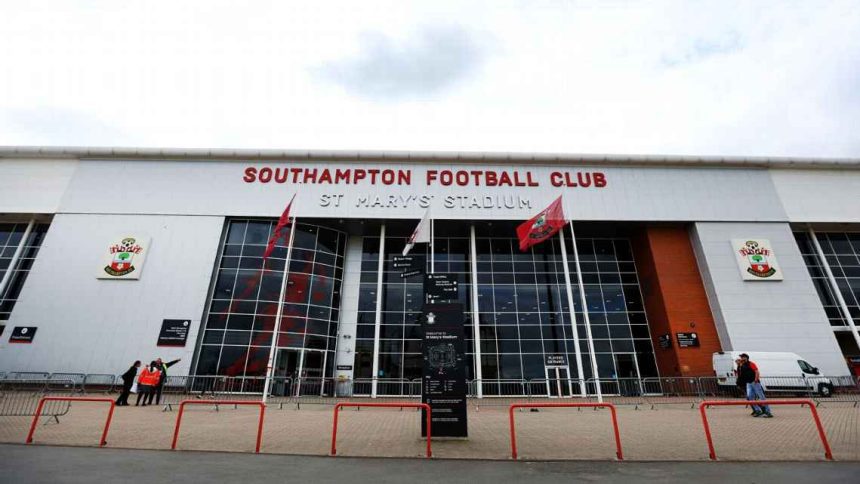


Southampton’s bid for an immediate return to the Premier League has ended in chaos after the club was expelled from the Championship playoffs following a major “Spygate” investigation by the English Football League (EFL).
The decision, one of the most dramatic disciplinary rulings in recent English football history, sees Middlesbrough reinstated into the playoff final, where they will now face Hull City for promotion to the Premier League.
For Southampton, the punishment also includes an additional four-point deduction heading into the next season, deepening the fallout from a scandal that has shaken the integrity of the Championship promotion race.
According to the EFL, Southampton were found guilty of spying on multiple opponents during the 2025/26 campaign, including breaches involving Middlesbrough, Oxford United, and Ipswich Town.
The governing body stated that the club violated regulations requiring “utmost good faith” and explicitly banning observation of opposition training sessions within 72 hours of a fixture.
Southampton have admitted to the breaches but are currently appealing the decision, with a hearing scheduled and a final ruling expected within 24 hours. The outcome could still reshape the playoff structure again.
As a direct consequence of the ruling, Middlesbrough who were originally eliminated by Southampton in the playoff semi-final have been reinstated into the final.
They will now face Hull City at Wembley in what is widely described as the “richest game in football,” with promotion to the Premier League estimated to be worth over £200 million in future revenue.
Middlesbrough welcomed the decision, stating that it reinforces “sporting integrity and conduct” in the English game.

The Southampton case has drawn immediate comparisons with previous spying controversies in English football, most notably Leeds United’s “Spygate” incident in 2019 under Marcelo Bielsa.
Leeds were fined for observing opposition training sessions, with Bielsa famously accepting responsibility during a detailed press conference that became one of the defining moments in modern managerial transparency.
The latest incident also mirrors wider concerns in global sport, including cases such as drone surveillance scandals in international football.
Southampton entered the playoffs aiming for an immediate return to the Premier League after being relegated at the end of the previous top-flight season.
Instead, their promotion push has collapsed in extraordinary circumstances, turning what was expected to be a decisive Wembley showdown into a disciplinary turning point in English football.
The club has confirmed it will challenge the ruling, meaning the final structure of the Championship playoffs may still change depending on the outcome of the appeal.
With legal and disciplinary proceedings ongoing, the situation remains fluid. The EFL has confirmed it will issue full written reasons for the sanctions in due course, while discussions continue with all affected clubs.
For now, Hull City await Middlesbrough at Wembley, but even that fixture remains under a cloud until Southampton’s appeal is resolved.
What is certain, however, is that the Championship playoffs controversy has already left a lasting mark on English football raising fresh questions about surveillance, ethics, and competitive fairness in the modern game.