
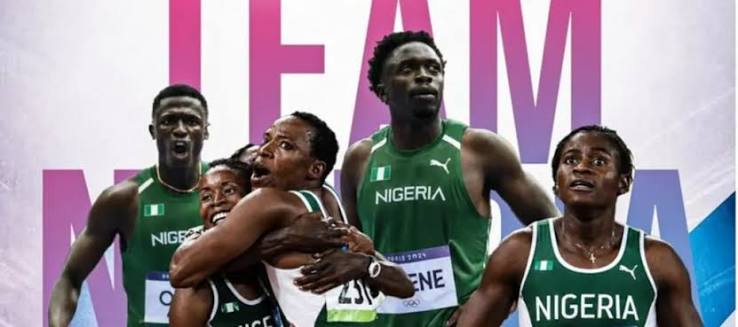


Team Nigeria ended the 2026 Commonwealth Games in Glasgow, Scotland, with an impressive haul of 24 medals as the country’s athletes produced strong performances across athletics, para sports, weightlifting and judo.
Nigeria won 10 gold medals, seven silver medals and seven bronze medals during the Games, which were held from July 23 to August 2.
The performance placed Nigeria among the leading nations at Glasgow 2026 and made the country the highest-ranked African nation on the medal table according to the published Glasgow 2026 standings.
The 23rd edition of the Commonwealth Games brought together about 3,000 athletes representing 74 nations and territories, with competitions taking place across 10 sports and six Para sports.
Nigeria’s final medal haul consisted of:
Gold: 10
Silver: 7
Bronze: 7
Total: 24
Athletics was Nigeria’s biggest contributor, accounting for 13 medals.
Para powerlifting produced six medals, while weightlifting added four and judo contributed one medal to the overall tally.
The spread of medals across both able-bodied and Para sports once again highlighted the depth of Nigerian sporting talent.
Samuel Ogazi was one of Nigeria’s standout performers in Glasgow after winning gold in the men’s 400m.
The Nigerian athlete delivered a strong performance to claim the Commonwealth title and add another major achievement to his growing career.
Ezekiel Nathaniel also produced a memorable performance by winning gold in the men’s 400m hurdles.
Chukwuebuka Enekwechi completed Nigeria’s individual athletics gold-medal haul with victory in the men’s shot put.
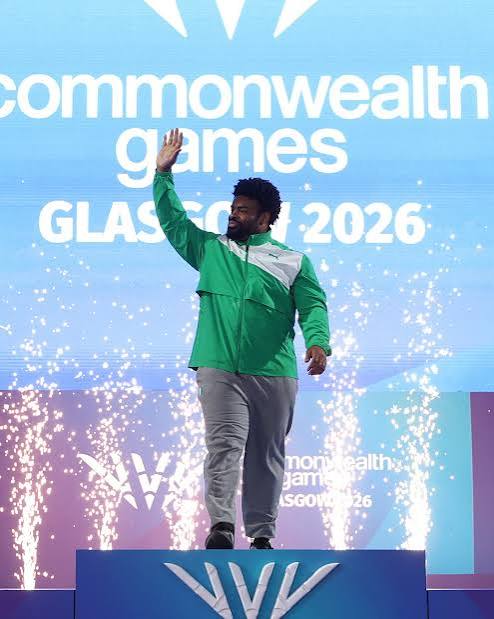
Their performances helped athletics dominate Nigeria’s medal contribution at the Games.
Nigeria’s success was not limited to conventional athletics, the country’s Para athletes delivered some of the most impressive performances of the Games, with Goodness Nwachukwu winning gold in the women’s discus throw.
Para powerlifters also made a major contribution to Nigeria’s medal haul, Riluwan Idris, Folashade Oluwafemiayo and Esther Nworgu all secured gold medals in their respective events.
The Para powerlifting team also added three silver medals through Roland Ezuruike, Rita Ferdinand and Esther Oyema.
Their performances reinforced Nigeria’s long-standing strength in Para sports and demonstrated the importance of continued investment in athletes across different sporting categories.
Nigeria’s weightlifting team also enjoyed a successful campaign in Glasgow.
Edidiong Umoafia won gold in the men’s 71kg category.
Onome Didih followed with gold in the women’s 53kg event, while Rafiatu Lawal claimed gold in the women’s 58kg category.
Ruth Nyong added a silver medal in the women’s 48kg event.
The four medals from weightlifting made the sport one of Nigeria’s strongest contributors at the 2026 Commonwealth Games.
Nigeria also produced several impressive silver-medal performances.

Udodi Onwuzurike finished second in the men’s 200m, while Ruth Usoro won silver in the women’s long jump.
Jessica Oji also secured silver in the women’s shot put.
The Para powerlifting events produced three additional silver medals through Roland Ezuruike, Rita Ferdinand and Esther Oyema.
Nigeria’s bronze-medal list included several well-known athletes.
Kayinsola Ajayi won bronze in the men’s 100m, while Tobi Amusan claimed bronze in the women’s 100m hurdles.
Ella Onojuvwevwo also secured bronze in the women’s 400m, with Temitope Adeshina finishing third in the women’s high jump.
Enku Ekuta added Nigeria’s only bronze medal in judo after finishing third in the women’s -63kg category.
Nigeria also won bronze medals in the men’s 4x100m relay and mixed 4x400m relay.
Nigeria’s relay teams also played their part in the country’s successful campaign.
The men’s 4x100m relay team consisting of Favour Ashe, Kayinsola Ajayi, Nicholas Fakorede and Udodi Onwuzurike secured bronze.
The mixed 4x400m relay team of Ezekiel Nathaniel, Patience Okon-George, Samuel Ogazi and Ella Onojuvwewo also won bronze.
These results added to Nigeria’s impressive showing in athletics, which ultimately accounted for more than half of the country’s total medal haul.
Perhaps one of the biggest positives from Glasgow 2026 was Nigeria’s position as the highest-ranked African nation.
The achievement came ahead of other major African sporting nations, including South Africa and Kenya.
Nigeria’s 10 gold medals were particularly important because gold-medal totals determine a country’s position ahead of silver and bronze medals in the standard medal-table ranking.
The performance therefore underlined Nigeria’s continued importance on the Commonwealth sporting stage.
Nigerian women also played a major role in the country’s medal success.
Athletes such as Rafiatu Lawal, Onome Didih, Goodness Nwachukwu, Folashade Oluwafemiayo, Esther Nworgu, Ruth Usoro, Jessica Oji and Tobi Amusan all contributed medals to Team Nigeria’s campaign.
Their performances demonstrate the growing strength of Nigerian women in both traditional and Para sports.
Beyond the medal tally, the Commonwealth Games provided Nigerian athletes with an opportunity to gain valuable international experience.
For established stars, Glasgow offered another chance to compete for major honours.
For younger athletes, the Games provided an important platform to compete against some of the best athletes from across the Commonwealth.
The performances of athletes such as Samuel Ogazi and Ezekiel Nathaniel also suggest that Nigeria has emerging talent capable of carrying the country’s athletics programme into the future, Nigeria has historically been one of Africa’s strongest nations at the Commonwealth Games.
The Glasgow 2026 performance adds another chapter to that history, although the country will continue to assess areas where improvements are needed, the combination of 10 gold, seven silver and seven bronze medals represents a strong overall showing.
It also highlights the importance of athletics, weightlifting, Para powerlifting and other individual sports to Nigeria’s medal ambitions.
For Team Nigeria, Glasgow 2026 ended with medals, records and several new names emerging on the international stage.
The challenge now is to build on that success, Nigeria’s athletes have once again shown that the country has the talent to compete for major honours, the next step will be ensuring that the structures, funding and preparation needed to turn that talent into sustained international success remain in place.