
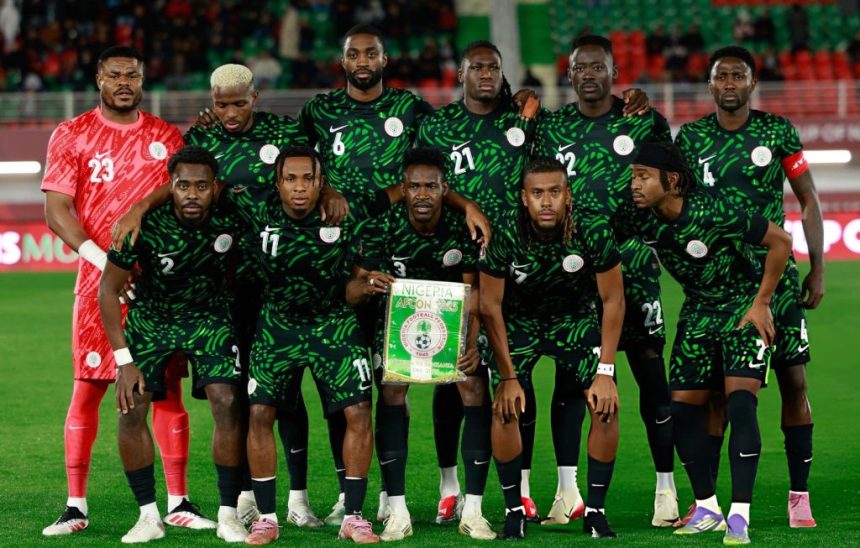
Nigeria’s quest for continental glory at the 2025 Africa Cup of Nations has been thrown into disarray after Super Eagles players and members of the technical crew halted travel plans and suspended training over unpaid match bonuses just days before a decisive quarter-final showdown against Algeria.
Sources within the Nigerian camp confirmed that the squad refused to travel to Marrakech on Thursday after learning that bonuses from four matches against Tanzania, Tunisia, Uganda, and Mozambique remain outstanding. In response, the players collectively resolved not to train until the issue is addressed, using the standoff as leverage to demand payment of what they are contractually owed.

Despite the impasse, there is no suggestion of a lack of commitment to the national cause. The players are understood to be fully focused on Saturday’s quarter-final and determined to continue Nigeria’s impressive run at the tournament. However, preparation for one of the most important matches of the competition has now been overshadowed by an entirely avoidable administrative crisis.
A Tournament Nigeria Has Dominated—So Far
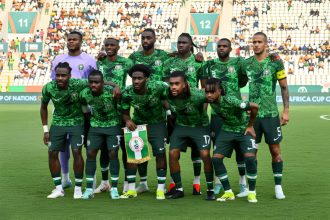
The timing of the dispute could hardly be worse. Nigeria has been one of the standout teams of AFCON 2025, boasting a flawless group-stage campaign. The Super Eagles won all their matches, scored with confidence, and advanced to the quarter-finals as genuine title contenders, earning plaudits for both tactical discipline and attacking efficiency.
Momentum, however, is fragile at elite tournaments. What should have been a period dedicated to recovery, tactical refinement, and mental focus has instead been consumed by uncertainty and frustration.
A Familiar and Frustrating Pattern
Disturbingly, this episode is not without precedent. In November 2025, Nigeria’s build-up to a crucial World Cup playoff against Gabon was marred by a similar protest, as players reportedly refused to train and declined to leave their hotel over unpaid wages that had been outstanding for months. That incident ended in embarrassment and exposed deep-rooted governance issues within Nigerian football administration.
The recurrence of such disputes has reignited criticism from fans, analysts, and former internationals, many of whom argue that persistent failure to honor financial commitments undermines morale and damages the country’s footballing reputation on the continental stage.
Leadership Under Scrutiny
Players who leave their clubs, families, and personal obligations to represent Nigeria are once again being placed in a demoralizing and unnecessary situation. Critics have described the failure to settle bonuses as unreasonable and harmful, particularly at a stage where unity and stability are crucial to success.
With a disciplined and well-organized Algerian side awaiting in the quarter-finals, Nigeria can ill afford distractions. AFCON titles are often decided by marginal gains focus, preparation, and cohesion, and any disruption off the pitch risks undoing the hard work accomplished on it.
Unless the situation is resolved swiftly, Nigeria’s AFCON 2025 ambitions may yet fall victim not to tactical shortcomings or opposition brilliance, but to the familiar weight of administrative failure, a recurring theme that continues to haunt one of Africa’s most talented footballing nations.