


Nigeria is on the verge of a historic transformation in sports development as the National Sports Commission (NSC) has officially unveiled an ambitious infrastructure overhaul that will introduce Video Assistant Referee (VAR) technology into Nigerian football while modernising sports facilities across the country.
For decades, Nigeria’s football ecosystem has struggled with outdated stadium infrastructure, poor officiating support systems, and declining confidence in the country’s readiness to host top-tier international matches. While the nation has consistently produced world-class football talent and remains one of Africa’s most passionate football markets, its sporting infrastructure has failed to match its footballing reputation.
That narrative may finally be changing.
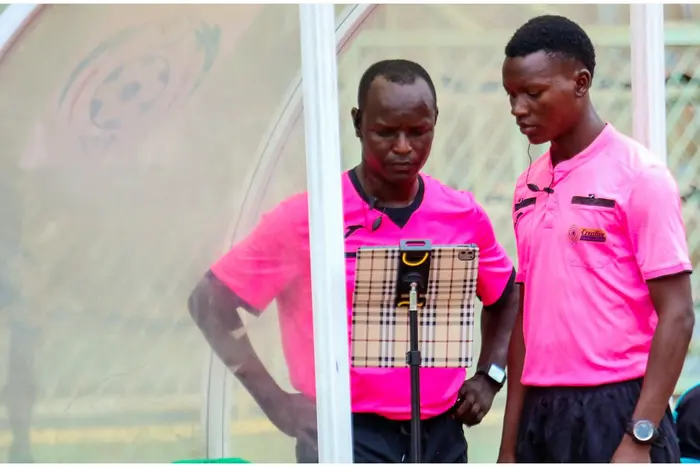
The Federal Government, through the newly energised National Sports Commission, has ratified a sweeping multi-billion naira sports infrastructure package designed to reposition Nigeria as a serious force in modern sports administration. At the heart of this bold initiative is the official adoption of VAR technology, a move expected to revolutionise football officiating standards and bring Nigeria closer to global football best practices.
The introduction of Video Assistant Referee technology is arguably the most significant development in Nigerian football administration in recent years. For years, fans, players, and coaches have repeatedly raised concerns about controversial refereeing decisions that have affected the outcomes of major domestic fixtures. The absence of modern officiating support systems has often placed Nigerian football at a disadvantage compared to other leading football nations on the continent.
With VAR now set to become part of Nigeria’s football framework, the country joins a growing list of African nations embracing technology to improve officiating accuracy, transparency, and fairness. The implementation of this system will not only enhance decision-making during matches but also significantly improve Nigeria’s eligibility to host prestigious CAF and FIFA-sanctioned competitions.
The Moshood Abiola National Stadium in Abuja is set to become the flagship beneficiary of this historic intervention. Once regarded as one of Africa’s finest sporting venues, the stadium has suffered years of neglect, with its deteriorating pitch and ageing facilities forcing the Super Eagles to abandon the federal capital for international fixtures.
Under the NSC’s redevelopment blueprint, the stadium will undergo a complete structural transformation aimed at restoring it to elite international standards. The revamp will include a total reconstruction of the main playing surface, rehabilitation of surrounding tartan tracks, installation of international-standard floodlights, upgraded electronic advertising boards, improved dressing rooms, a modernised media centre, enhanced VIP and corporate suites, and a comprehensive overhaul of security systems.
One of the standout features of the redevelopment is the installation of a specialised protective pitch cover that will allow the stadium to safely host large-scale entertainment events without damaging the playing surface. This innovation reflects a strategic vision to transform the facility into a revenue-generating multi-purpose sports and entertainment hub.
Beyond football, the NSC’s plan also introduces a broader high-performance sports development ecosystem. The Abuja stadium project includes the construction of a world-class high-performance centre equipped with cutting-edge sports science technology and advanced athlete development resources. A state-of-the-art anti-doping laboratory will also be established, reinforcing Nigeria’s commitment to international compliance and athlete welfare.
Additionally, the long-abandoned 200-bed athletes’ hostel within the stadium complex will be converted into a fully functional commercial hotel. This move is expected to provide accommodation for visiting teams, officials, and sports tourists while creating a sustainable commercial model to support long-term facility maintenance.
The impact of this national sports revolution extends far beyond Abuja.

In what appears to be one of the most expansive grassroots sports development plans in Nigerian history, the NSC has approved the construction of twenty mini sports centres and mini stadiums across local communities nationwide. These facilities are expected to serve as talent discovery hubs while promoting youth engagement through structured sporting activities.
The Commission has also approved the development of fifteen tertiary institution sports centres strategically distributed across Nigeria’s six geopolitical zones. This initiative is aimed at reviving school sports, strengthening grassroots athlete development, and rebuilding the educational sports pipeline that once produced some of Nigeria’s finest sporting talents.
The National Sports Festival will also benefit significantly from this infrastructure intervention. Enugu State, which is set to host the next edition of the festival, will receive direct federal support for the construction of an Olympic-size swimming pool, the upgrade of indoor sports halls, and the rehabilitation of athlete accommodation facilities.
Other iconic sporting venues across the country are also included in the broader redevelopment agenda.
The National Stadium in Surulere, Lagos, is currently in the final stages of a private-investment-driven revitalisation process, while plans are advancing for the redevelopment of the Obafemi Awolowo Stadium in Ibadan. Meanwhile, major reconstruction work is already underway at the Ahmadu Bello Stadium in Kaduna, alongside the construction of the brand-new Bichi Stadium in Kano.
This nationwide intervention reflects a deliberate shift in sports policy. It signals an understanding that modern sports development is not solely about building stadiums but about creating sustainable ecosystems that support athlete development, economic growth, and international competitiveness.
For Nigerian football, this is a defining moment.
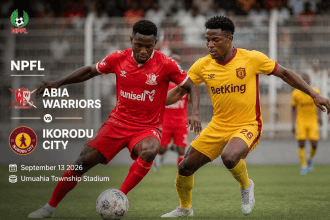
The introduction of VAR could dramatically improve confidence in officiating standards within domestic competitions such as the Nigeria Premier Football League. Improved infrastructure will create better matchday experiences for fans, provide safer and more professional environments for athletes, and position Nigeria as a stronger contender to host elite continental and global tournaments.
At Sport Flame Communications, this development represents far more than a routine infrastructure announcement. It is a bold declaration that Nigerian sports is finally embracing innovation, accountability, and long-term strategic planning.
For years, football lovers have waited for signs that Nigeria was ready to modernise its sporting ecosystem. With VAR technology officially on the horizon and a nationwide stadium revolution now underway, Nigerian football may finally be stepping into the future it has long deserved.
The blueprint is ambitious. The expectations are enormous. What matters now is execution. If successfully delivered, this project could redefine Nigerian football for generations and mark the beginning of a new golden era for sports in the country.