


For decades, the story of the Nigeria Premier Football League (NPFL) has been written in the ink of state treasury checks. Traditional heavyweights, backed by government subventions, dominated the landscape. But as the dust settles on the 2025/2026 NNL season, a new chapter has begun. For the first time in history, all four promoted clubs—Inter Lagos, Sporting Lagos, Doma United, and Ranchers Bees—are privately owned.
This isn’t just a promotion; it’s a paradigm shift.
The “Lagos Invasion” is now complete. Sporting Lagos, often dubbed the “Techie Club” due to its startup-like branding and fan engagement, makes a swift return to the top flight. They bring with them a blueprint of how modern Nigerian football should look: community-driven, digitally native, and commercially viable.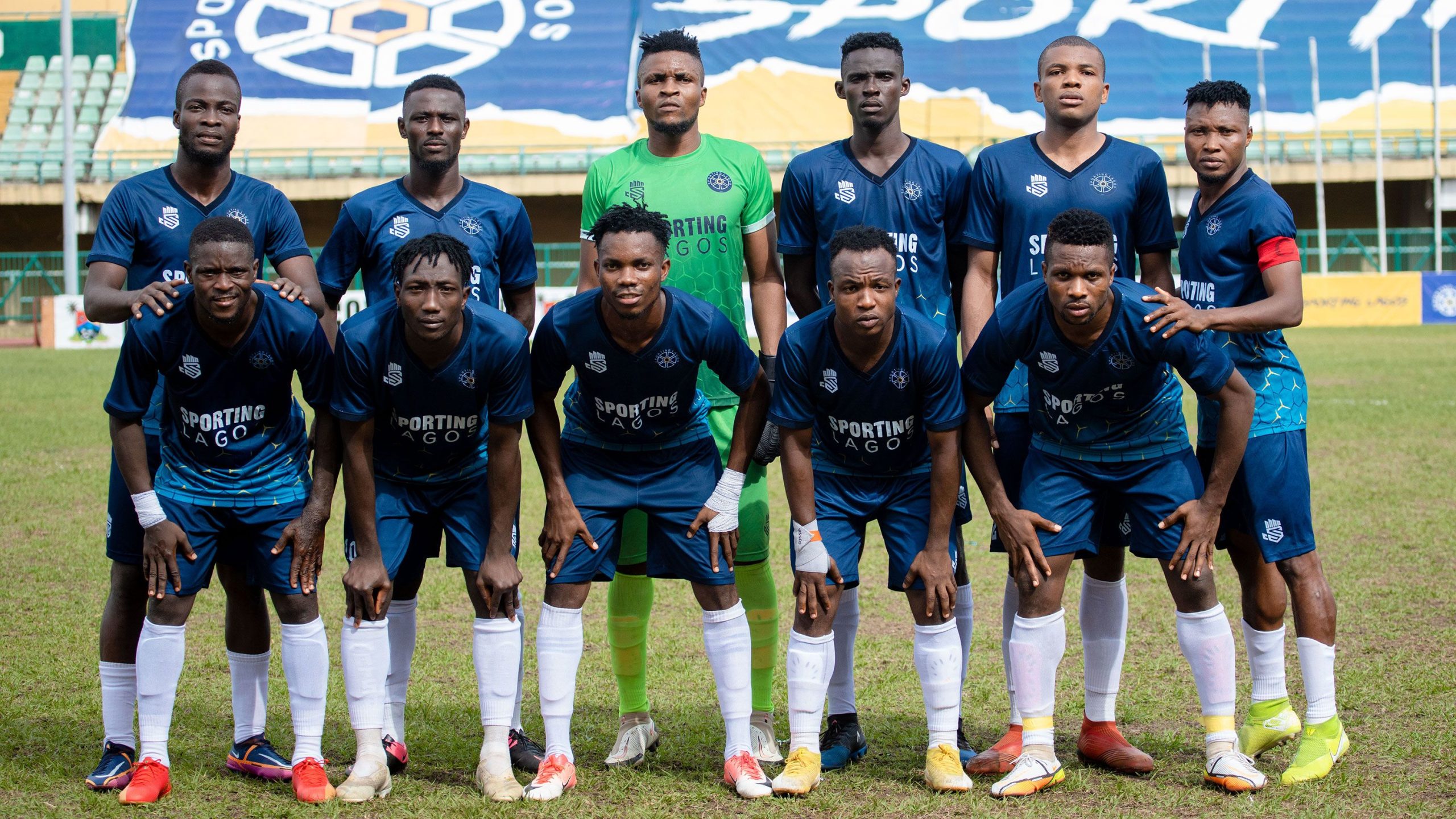
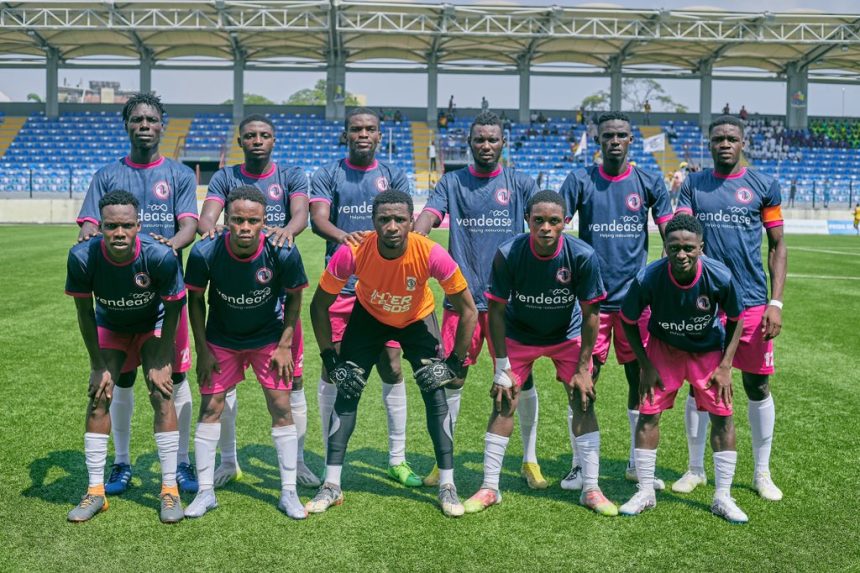
Joining them is Inter Lagos, the “Pride of Lagos.” Their ascent has been nothing short of clinical. With a focus on high-performance sports science and a sleek corporate structure, Inter Lagos dominated Conference A. The upcoming “Lagos Derbies” in the NPFL are no longer just matches; they are high-stakes entertainment products that promise to fill stadiums and capture social media feeds.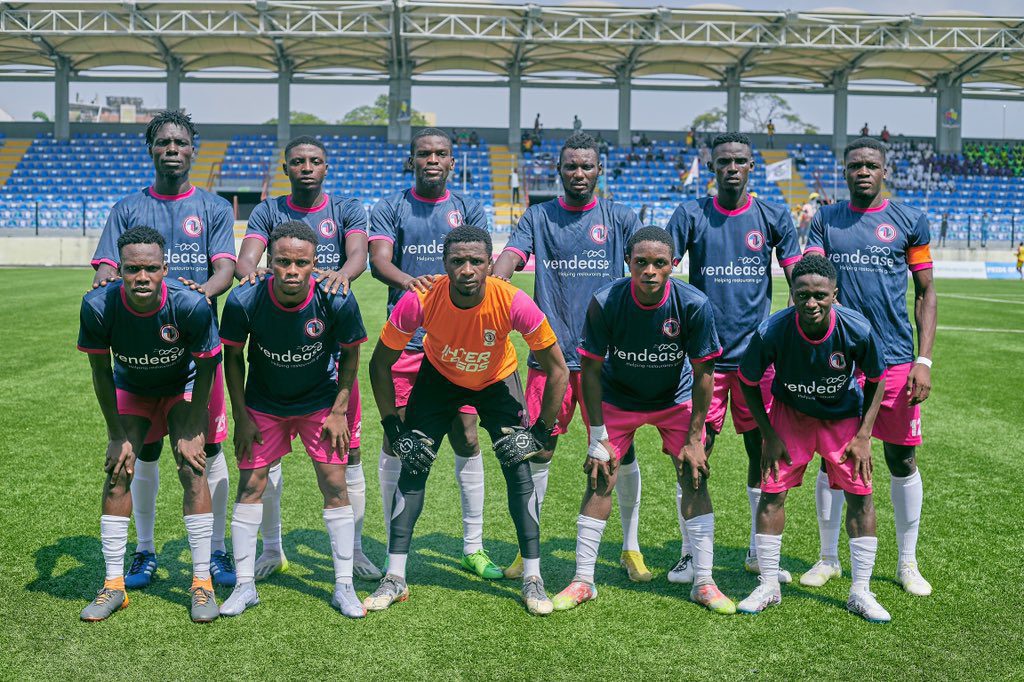

While the Lagos clubs represent the “new school,” Doma United from Gombe represents the perfect blend of local passion and private efficiency. Known as the Savannah Tigers, their return to the NPFL is a testament to the vision of Alhaji Suleiman Umar. Doma United has proven that a private club can thrive in the North, traditionally a stronghold of state-funded giants. Their technical discipline and recruitment strategy make them a “dark horse” capable of upsetting the established order next season.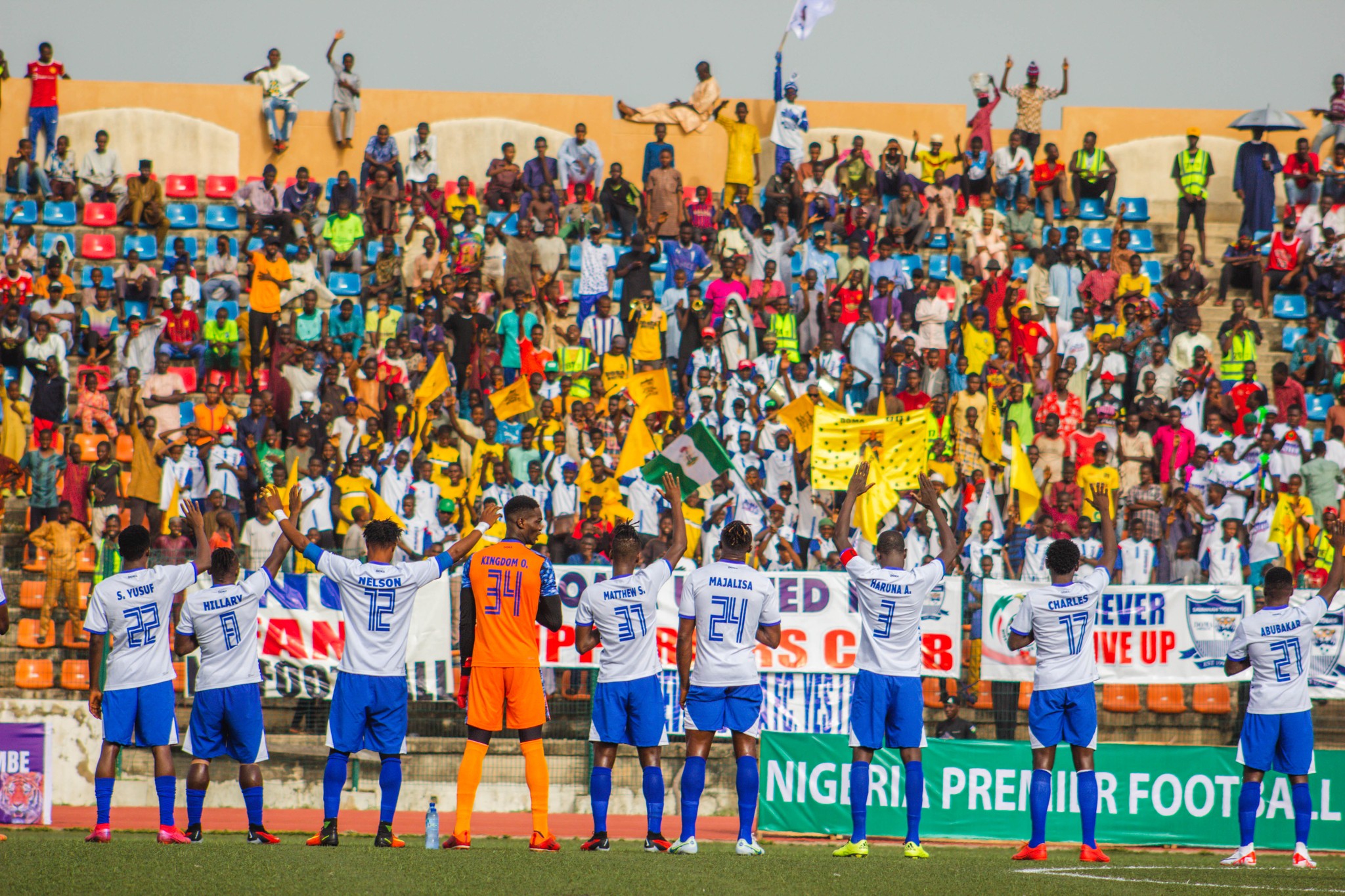
Perhaps the most emotional story of the quartet is the return of Ranchers Bees of Kaduna. After 16 grueling years in the wilderness of the lower divisions, one of Nigeria’s most iconic names is back where it belongs. Once a powerhouse in the 80s and 90s, the Bees’ promotion is a gift to football fans in the North-West. Under private management, they have traded their “old-school” struggles for a modernized approach that saw them snatch the final promotion ticket in a heart-stopping finale.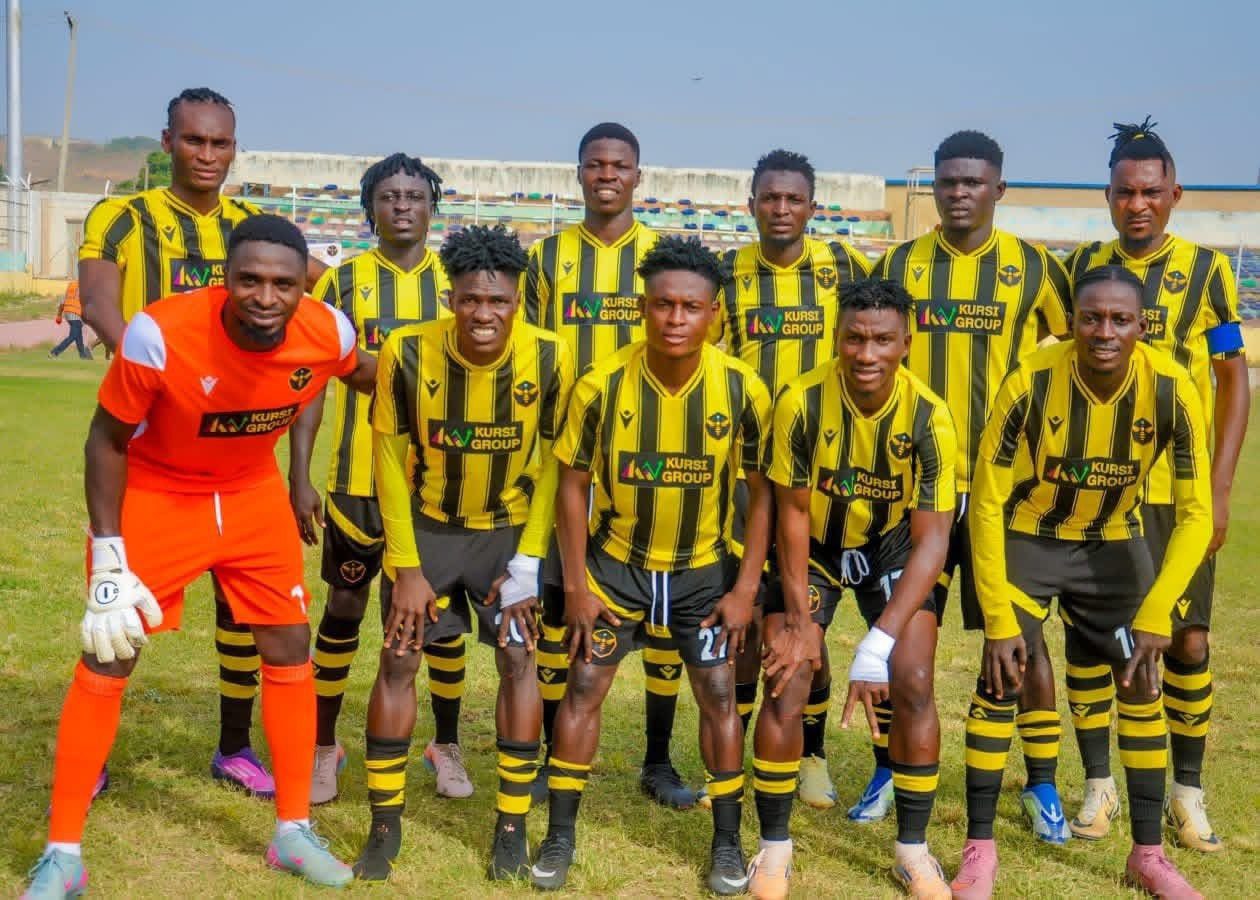
This “Private Quartet” brings more than just players to the NPFL; they bring sustainability. Unlike state-owned clubs that often struggle with changing political administrations and delayed funding, these four operate on corporate timelines.
We are looking at a future where:
- Merchandising becomes a primary revenue stream.
- Fan Experiences are prioritized to ensure packed stands.
- Accountability in scouting and wages sets a new league standard.
As these four prepare to rub shoulders with the likes of Rangers International and Rivers United, the message is clear: The private sector hasn’t just arrived in Nigerian football—it’s ready to lead.
The Promoted Class of 2026
| Club | Base | Nickname | Key Strength |
| Inter Lagos | Lagos | The Pride of Lagos | Tactical Discipline & Branding |
| Sporting Lagos | Lagos | The Techies | Fan Engagement & Innovation |
| Doma United | Gombe | Savannah Tigers | Scouting & Local Support |
| Ranchers Bees | Kaduna | The Bees | Heritage & Resilient Defense |
The 2026/2027 NPFL season is shaping up to be the most competitive in a generation. The giants have been warned: the newcomers aren’t just here to participate; they’re here to take over.