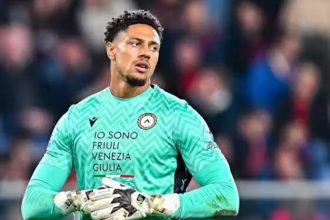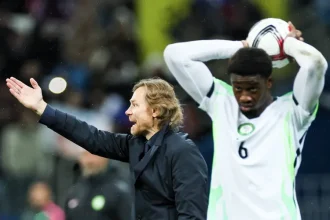



The race to build competitive squads ahead of the 2026 FIFA World Cup is changing the landscape of international football, with more players than ever switching national team allegiance. Since 2025 alone, over 210 players have officially changed their sporting nationality, highlighting how FIFA’s updated eligibility rules are reshaping the modern game.
We’ve watched this growing trend evolve from isolated cases into one of football’s biggest international talking points. From Europe to Africa, players are making career-defining decisions that combine ambition, identity, family roots, and the dream of playing on football’s biggest stage.
The increase in dual-national players changing countries has largely been driven by FIFA’s relaxed eligibility regulations introduced over the last two decades.
Under current FIFA rules, players who represented one nation at youth level can still switch allegiance if they qualify through ancestry, birth, or residency. The major breakthrough came in 2020, when FIFA also allowed some senior internationals to switch national teams provided they had not played in a major tournament such as the FIFA World Cup, UEFA Euros, Copa America, or AFCON.
That rule change has completely transformed international recruitment strategies.
National federations are now aggressively scouting diaspora talent, while players are weighing opportunities that may offer more international exposure, tournament football, and a realistic pathway to the World Cup.
For many footballers, the decision goes beyond tactics or career progression. It often becomes deeply emotional.
Young Lille midfielder Ayyoub Bouaddi recently chose Morocco over France despite representing France at youth level. The chance to feature at the 2026 World Cup reportedly played a major role in his decision.
Similarly, Franco-Haitian forward Josue Casimir embraced the opportunity to represent Haiti on the global stage, describing it as “a choice of the heart.”
This pattern is becoming increasingly common across African national teams, who are benefiting massively from Europe-born talents reconnecting with their roots.
Countries like Morocco, Algeria, Senegal, Ghana, DR Congo, and Nigeria continue to strengthen their squads by attracting players developed in elite European academies.
Morocco remain one of the biggest success stories in international football recruitment.
After their historic World Cup performances in recent years, the Atlas Lions have become a highly attractive destination for dual-national players across Europe.

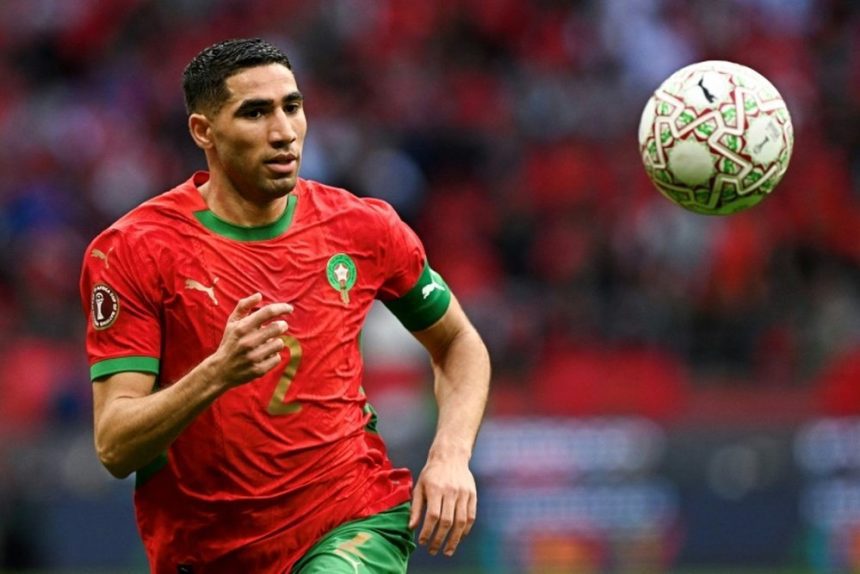
Achraf Hakimi famously chose Morocco over Spain years ago, while younger stars continue to follow that path today.
The Moroccan federation’s long-term planning, competitive structure, and ability to build trust with players and families have become a blueprint for other African football nations.
Despite the growing movement toward heritage nations, Europe’s elite countries are still battling to retain their brightest prospects.
Spain successfully convinced Lamine Yamal to commit to La Roja despite interest from Morocco, while Belgium recently secured the services of Matias Fernandez-Pardo ahead of the World Cup.
These decisions often involve years of scouting, conversations with families, and strategic long-term planning from football federations.
International football is no longer just about tactics on the pitch recruitment battles now happen behind the scenes long before tournaments begin.
The expanded 48-team format of the 2026 FIFA World Cup has increased opportunities for emerging football nations, making international switches even more attractive.
Players who may struggle to break into powerhouse nations like France, England, or Spain now see realistic chances to compete on football’s grandest stage through alternative national teams.
That opportunity is changing careers overnight.
For many players, missing out on elite European squads no longer feels like the end of an international dream. Instead, representing their family’s homeland has become both a professional opportunity and a personal statement.
The rise in national team switches reflects how global football continues to evolve.
Modern footballers often grow up between multiple cultures, countries, and identities. FIFA’s eligibility reforms have simply allowed the game to better reflect that reality.
At Sport Flame Communications, we believe this trend will continue shaping the future of international football long after the 2026 World Cup concludes.
One thing is certain: national team football has entered a new era and the battle for talent is only getting bigger.