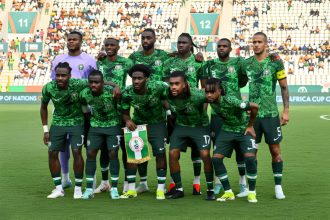

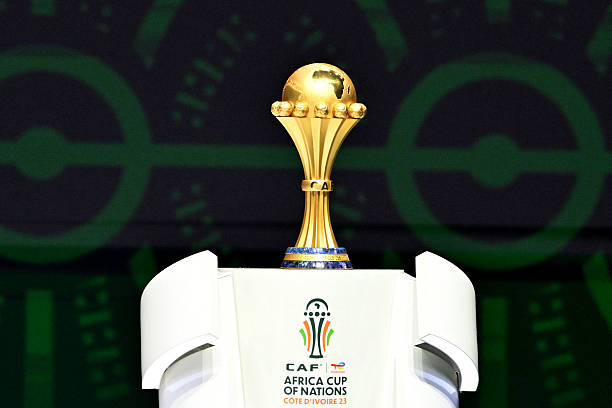
The 2025 Africa Cup of Nations (AFCON), hosted by Morocco, was meant to showcase the continent’s football talent with state-of-the-art facilities, including over 40 cameras, spidercams, drones, and super slow-motion replays far exceeding CAF’s technical requirements. However, what unfolded was a tournament plagued by controversies, refereeing scandals, fan unrest, and widespread allegations of bias, leading many fans, analysts, and even federations to label it as one of the most catastrophic and disorganized editions ever. From logistical issues like ticket biases and hotel “mistakes” to on-pitch drama involving violent clashes, dubious decisions, and bizarre psychological tactics like towel thefts, AFCON 2025’s legacy is one of distrust rather than celebration. Below, I’ll break down the key reasons, supported by evidence from reports and social media discussions.
1. Refereeing Scandals and Perceived Bias Favoring the Hosts

A major factor in the tournament’s poor reputation was the consistent criticism of officiating, which many described as “shameful” and “unprecedented.
Experts, including Algerian journalist Hedi Hamel, called it “catastrophic” and suggested it belongs in the “dustiest drawers of officiating history,” citing refereeing errors that overshadowed the competition. The Algerian Football Federation lodged formal complaints over decisions in their quarterfinal loss to Nigeria, including a denied penalty for a handball.
According to sportingtribune.com, similar issues arose in other matches, prompting CAF to launch investigations into “unacceptable behavior” during quarter-finals involving Cameroon vs. Morocco and Algeria vs. Nigeria, where altercations between players, officials, and journalists occurred. This was also reported by aljazeera.com and beinsport.com among other media outlets.
Specific incidents fueled claims of favoritism toward Morocco:
- In Morocco’s group stage match against Tanzania, a clear penalty for Tanzania in the 94th minute (a push on their striker) was ignored, with no VAR review despite protests. Tanzanian coach Miguel Gamondi accused officials of intending to “gift the tournament to Morocco.”
- Against Comoros, Morocco was awarded a “phantom penalty” after Brahim Diaz appeared to dive, confirmed via VAR.
- Vs. Mali, another dubious penalty was given to Morocco when the ball hit a defender’s hand while he was on the ground; meanwhile, a stamp on a Malian player by a Moroccan defender went unpunished.
- In the quarterfinal against Cameroon, multiple controversial calls, including denied penalties, led to post-match chaos and CAF probes.
- Against Nigeria, a yellow card was given to Nigeria’s Calvin Bassey for a challenge that many saw as unfair, sparking outrage.
These patterns led to viral claims on X (formerly Twitter) that “every 50-50 decision” favored Morocco, with users comparing it to Argentina’s 2022 World Cup path. One post from a Sahrawi journalist called for FIFA intervention, alleging “flagrant manipulations” to hand the title to the hosts.
2. Allegations of Rigging by CAF to Ensure a Moroccan Victory
The narrative that CAF rigged the tournament for Morocco was rampant, with evidence pointing to systemic favoritism. Fans and analysts cited:
- Ticket Bias and Logistical Issues: Reports emerged of tickets for Morocco’s potential semifinal and final matches selling out suspiciously fast, favoring locals and creating an uneven playing field. This sparked social media backlash, with claims it was part of a “rigged setup” for Morocco to advance.
- Broader Corruption Claims: X posts accused CAF of bribery, with one user stating Morocco “bought the 2025 AFCON title” through referee payments and influencing the CAF president. South African fans claimed their team and Mali were “cheated live” via inconsistent penalty calls. Algerian sources decried “Makhzen pressure” (referring to Moroccan influence) leading to favoritism.
Even non-Moroccan matches, like Eto’o’s suspension for questioning a call in Morocco vs. Cameroon, added to the suspicion.
3. Bizarre Psychological Tactics and Unsportsmanlike Conduct
Adding to the rigging allegations were reports of deliberate distractions aimed at opposing goalkeepers, particularly involving the theft of face towels used by keepers to wipe sweat or maintain grip, seen as a form of gamesmanship bordering on sabotage. This tactic appeared systematically employed against Morocco’s key opponents, raising questions about instructions from the Moroccan coaching staff, especially since players were directly involved.
In the semifinal against Nigeria, Moroccan ball boys, stewards, and officials repeatedly took Super Eagles goalkeeper Stanley Nwabali’s towel from behind his goalpost not once, but multiple times (reports cite twice or even three instances).
Videos showed stewards running onto the field to snatch it, distracting Nwabali during crucial moments like penalties. Nwabali even flipped off Moroccan fans in frustration, and post-match, he mocked them on Instagram, saying, “Make Una use all my towel Una carry wipe Una tears.”
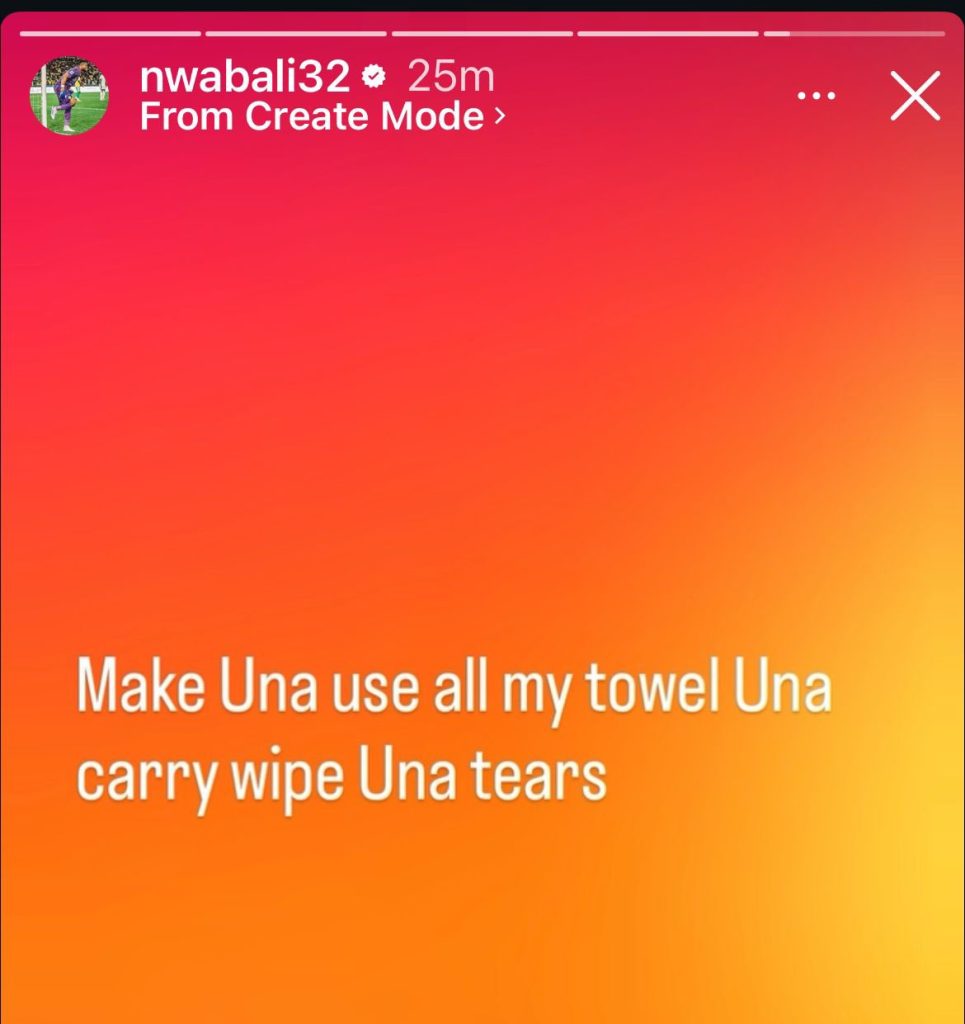
Instead of sanctioning the officials, CAF reportedly considered action against Nwabali. Fans dubbed it “TowelGate,” calling it “despicable” and “disgraceful.”
The pattern repeated in the final against Senegal, where ball boys attempted to steal Édouard Mendy’s towel multiple times, but Senegal’s players, including reserve keeper Yehvan Diouf, physically intervened to protect it, chasing kids and wrestling it back from up to four pitch-side adolescents.
Shockingly, star player Achraf Hakimi was caught on video grabbing Mendy’s towel during a corner and throwing it off the pitch, escalating the incident.
Fans and analysts, including on Reddit and Instagram, decried it as “the third towel war,” with comments like “Hakimi, least expected this from him” and “What exactly do they benefit from doing that?”
The involvement of high-profile players like Hakimi strongly suggests this was a coordinated effort, possibly instructed by the coaching team to unsettle opponents psychologically, prompting widespread outrage over Morocco’s desperation and questions like “What are they feeling like?” amid claims of “black magic” or “voodoo.
ESPN called it part of the “day the football died,” highlighting how such antics damaged the tournament’s integrity.
4. The Chaotic Final and Fan Unrest
The final between Morocco and Senegal epitomized the tournament’s issues. Senegal had a goal disallowed for a perceived foul, leading to protests.
In stoppage time, a controversial VAR-reviewed penalty was awarded to Morocco for a foul on Brahim Diaz, prompting Senegal’s players to walk off the pitch in protest. They returned after Sadio Mané’s intervention, and Edouard Mendy saved a poorly taken penalty. Pape Gueye scored in extra time for a 1-0 Senegal win, but pandemonium ensued with irate fans clashing in the stands.
Critics, including on Facebook and X, called the Senegalese coach’s walk-off “unfair” and damaging to AFCON’s image, making it appear “disorganized and naïve.” Others praised Senegal for standing against perceived rigging. Post-final, fans labeled it a “disgrace,” with calls for a replay deemed “the worst decision ever” by CAF.
5. Other Factors Contributing to the “Worst Ever” Label
- Lack of Upsets and Predictability: Unlike past AFCONs known for shocks (e.g., Madagascar beating Nigeria), 2025 saw favorites dominate, with 11 of 12 group games going as expected, leading some to call it “the most predictable AFCON ever.“
- Off-Pitch Issues: Clashes at Nigeria and Morocco games led to CAF warnings of disciplinary action. Treatment of visiting teams, including “trash” conditions off the pitch, was criticized.
- Overall Sentiment: Social media echoed this, with posts like “Worst AFCON tournament ever” and “CAF is a disgrace.”
In the end, despite the allegations of rigging to ensure a Moroccan triumph, Senegal emerged victorious, securing their second title. This outcome has been hailed as a “merited victory” amid the chaos, but it doesn’t erase the damage to African football’s credibility. The tournament’s controversies highlight deeper issues within CAF, from governance to fairness, leaving a bitter taste for many.