


The third day of the 2025 Africa Cup of Nations cut through the noise of pre-tournament hype, delivering a stark lesson in form versus reputation. Between a narrow escape in Fez and a statement demolition in another venue, the continent’s football hierarchy received a dramatic shake-up. Here are the five defining truths that emerged from a pivotal day of action.
- Nigeria’s Win Masks Alarming Vulnerabilities
The Super Eagles left the Stade de Fès with three points but little confidence, laboring to a 2-1 win over Tanzania. While Ademola Lookman’s stunning second-half winner provided the decisive moment, it papered over significant cracks. After conceding a shock equalizer, Nigeria appeared rattled and disjointed, failing to control a match they were expected to dominate.
The harsh truth is clear: Tanzania exposed a fragile defensive structure and a worrying lack of midfield control. Against the organized firepower of Group D rivals like Tunisia, such lapses will be punished severely. Winning while playing poorly is a tournament trait, but this performance felt less like a grind and more like a warning.

- Senegal’s Commanding Statement of Intent
As Nigeria stumbled, the reigning champions roared. Senegal’s 3-0 dissection of Botswana was a masterclass in tournament football ruthless, polished, and emphatic. Nicolas Jackson’s brace underscored an attack operating with sharp precision, while the defensive unit offered Botswana no quarter.
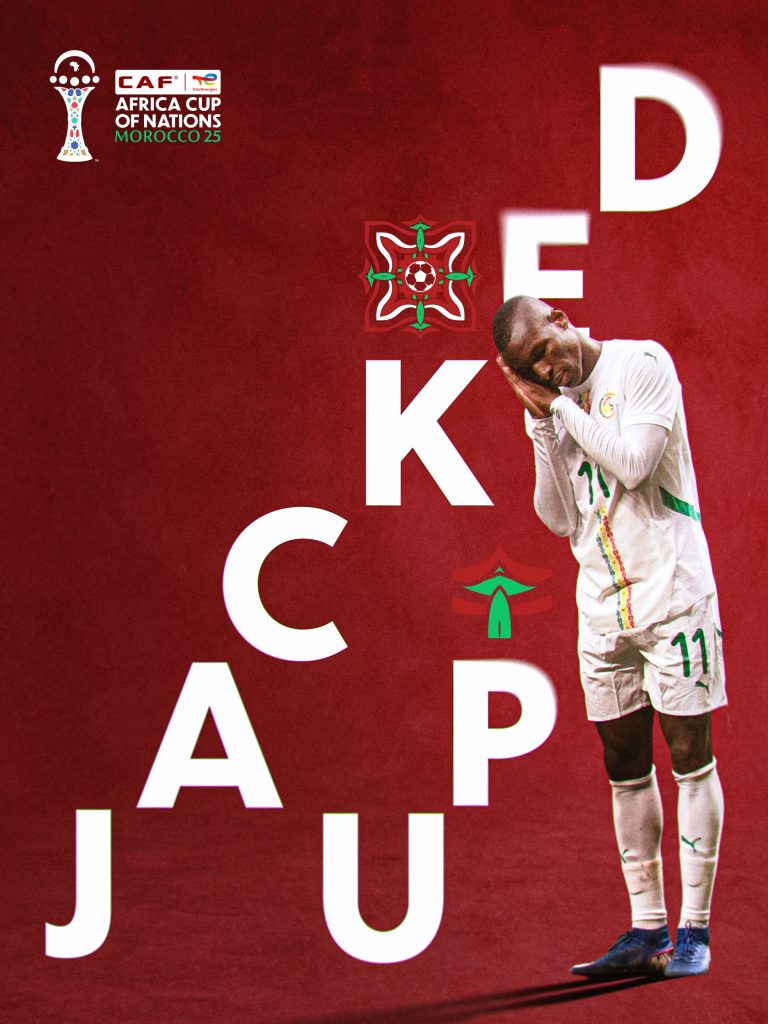
The message from the Lions of Teranga was deafening: they are not here to defend their title, but to assert it. Their blend of physical power, tactical discipline, and individual brilliance sets a benchmark that every other contender must now measure themselves against. The hunt is on, but Senegal looks every bit the apex predator.
- The Death of the “Easy Game”
Tanzania’s performance, even in defeat, served notice to every tournament favorite. Their grit, organization, and disruptive tactics turned what was supposed to be a Nigerian procession into a nervy scrap. The era of glancing at a fixture list and penciling in three points is over at AFCON.
This tournament punishes complacency with immediate consequence. Teams that approach any opponent without maximum intensity risk not just dropped points, but a catastrophic loss of momentum. Nigeria’s narrow escape is the cautionary tale every coach will now show their squad.
- Star Power Dictating the Early Narrative
Individual brilliance is already shaping the tournament’s destiny. Lookman’s moment of magic rescued Nigeria, while Jackson’s double for Senegal announced his central role in their campaign. These are not just goals; they are psychological events that force tactical overhauls from future opponents.
When stars deliver under pressure, they alter the entire chessboard. Defensive schemes are redesigned to contain them, and matches become defined by the battle to neutralize one player. These early headline-makers have shouldered the burden for their nations and, in doing so, have shifted the strategic landscape for everyone.
- Psychology Forged in the Group Stage
The contrasting moods in the camps of Senegal and Nigeria could not be more divergent. One strides forward with the aura of champions, building invincible momentum. The other licks its wounds, questions mounting despite a win. In a short, intense tournament, this psychological edge is a tangible asset.
Teams that project strength from the opening whistle gain a double advantage: they unsettle future opponents and solidify their own belief. Those that falter, even in victory, invite doubt and targeted pressure. As the groups tighten, this mental fortitude will separate those who advance with authority from those who simply survive.
Day Three didn’t just distribute points it drew a line. On one side stand the polished contenders, sharp and ready. On the other, wounded favorites with urgent repairs needed. The response in the next round will reveal which teams are built for the long journey ahead.