
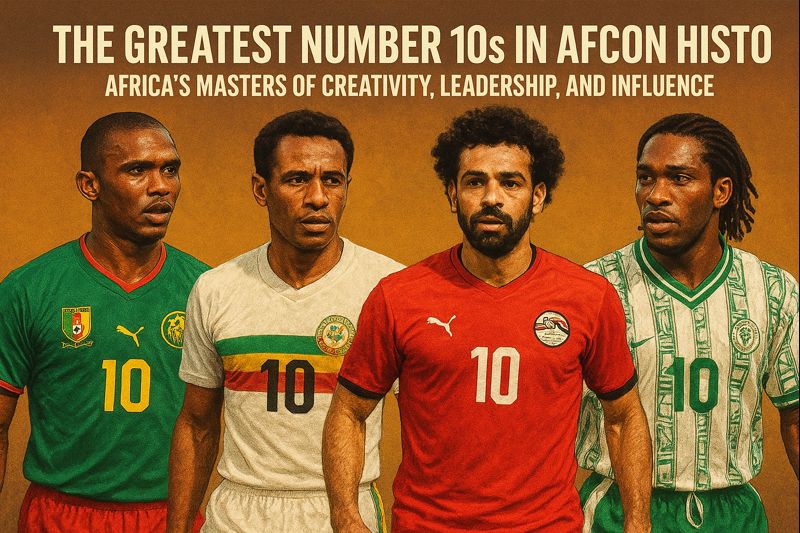
African football’s history is decorated with extraordinary playmakers, footballers whose artistry, intelligence, and courage have defined eras. Among these legends, the Number 10 shirt stands as a symbol of creativity, responsibility, and national hope. At the Africa Cup of Nations (AFCON), some of the continent’s most iconic performances have come from the magicians who carried this number on their backs.
Across generations, these players did more than entertain. They controlled the destiny of matches, carried the emotional weight of millions, and altered the course of entire tournaments. Here are the greatest Number 10s in AFCON history.

Jay-Jay Okocha (Nigeria)
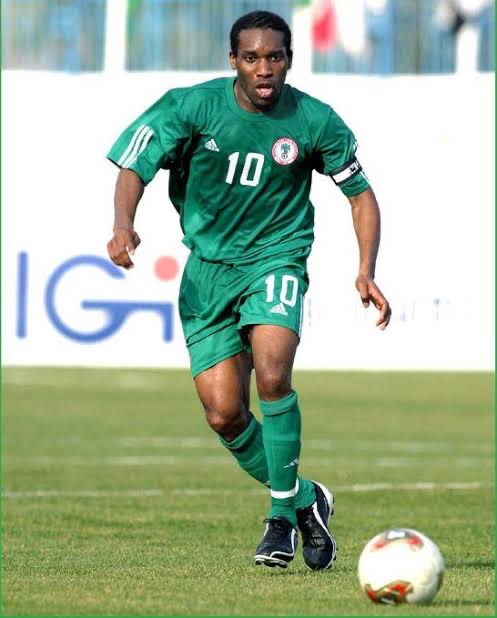
Few players in African football history combined technique, flair, and competitive influence quite like Augustine “Jay-Jay” Okocha. As Nigeria’s Number 10, Okocha consistently delivered under pressure, dictating games with his unmatched close control and creativity.
At the 2000 AFCON, hosted by Nigeria and Ghana, Okocha dominated midfield battles with tempo-setting play and fearless ball progression. His long-range strike against Cameroon in the final remains one of the tournament’s signature goals. Despite Nigeria losing that final, he was named Player of the Tournament.
He returned in 2002 and 2004 with the same authority, leading a transitioning Super Eagles squad to back-to-back semifinals and finishing as joint top scorer in 2004. Okocha’s genius came not only from magic moments but also from his ability to impose technical superiority when the team needed it most.
Abedi ‘Pele’ Ayew (Ghana)
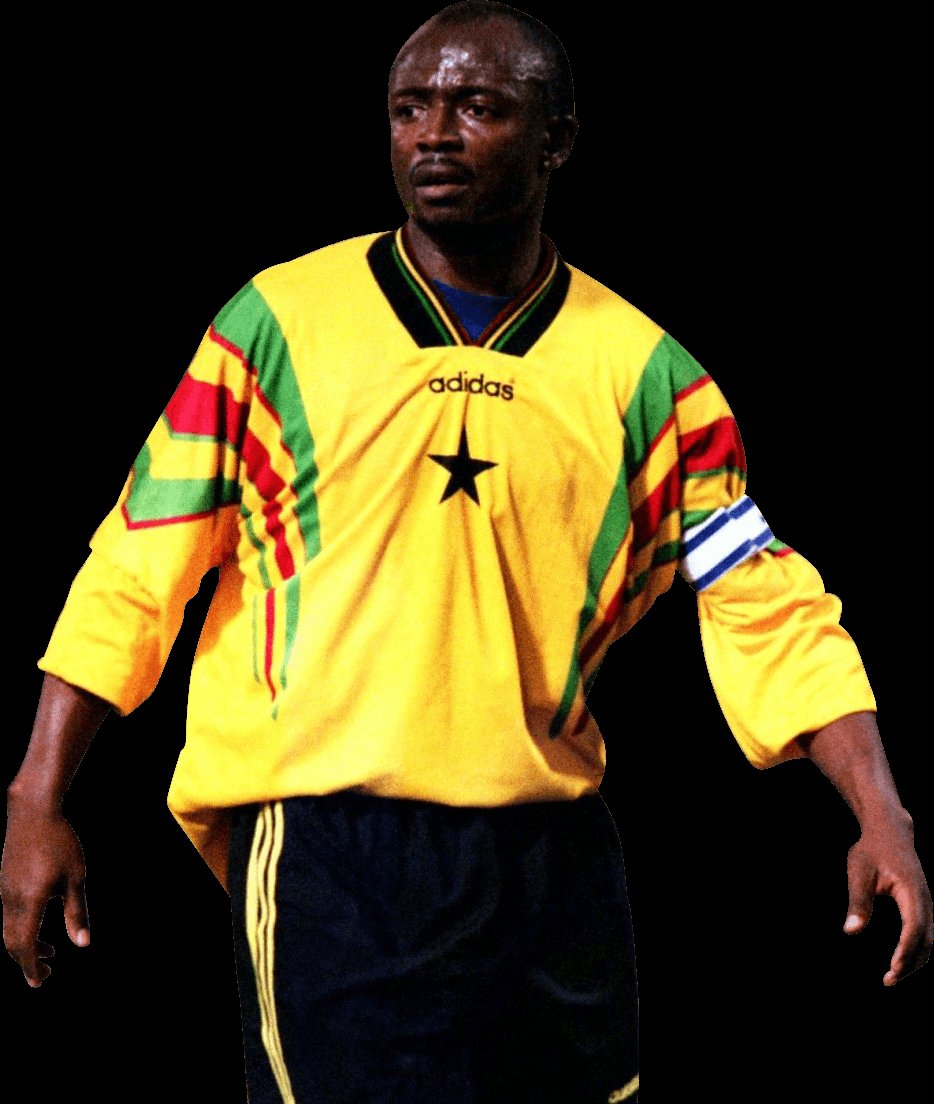
A three-time African Footballer of the Year, Abedi Pele remains one of the most complete Number 10s ever seen at AFCON. His peak came in 1992, when he carried a young Ghana side to the final through vision, work rate, and leadership.
His semifinal performance against Nigeria is still spoken of with reverence: disciplined, intelligent, and technically flawless. Even though he missed the final due to suspension, Abedi Pele was named Player of the Tournament, a testament to his dominance.
He redefined the Number 10 role in Africa, showing that creativity and tireless industry could coexist at the highest level.
Patrick Mboma (Cameroon)
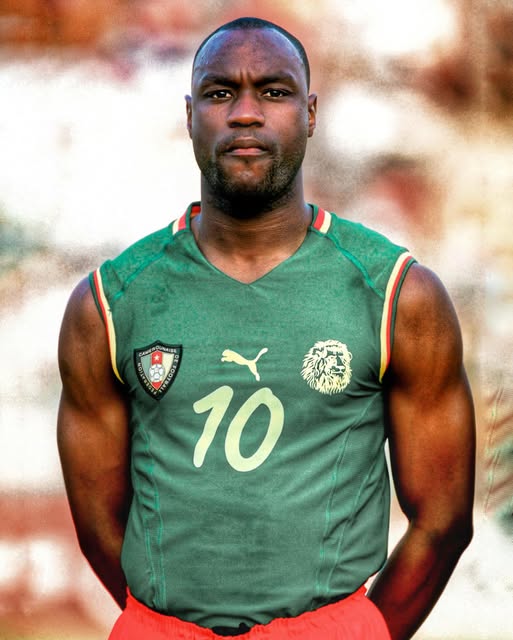
Patrick Mboma wore the Number 10 during Cameroon’s golden era and became the face of their attack through physicality, finishing, and relentless movement.
At the 2000 AFCON, Mboma scored crucial knockout goals and bullied defenses with his strength and awareness. He played a similar role in 2002, combining seamlessly with a young Samuel Eto’o as Cameroon won back-to-back titles.
Mboma’s influence lay in his reliability. When Cameroon needed someone to step up in decisive moments, Mboma delivered consistently and emphatically.
Mohamed Salah (Egypt)
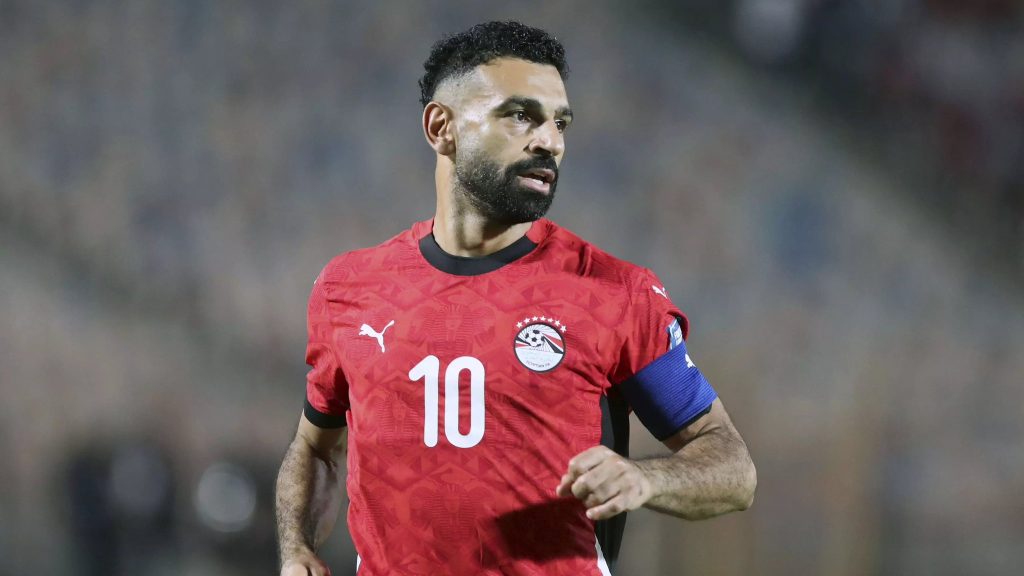
Mohamed Salah’s AFCON story is still unfolding, but his impact is already historic. In 2017, he led an inexperienced Egypt side back to continental prominence, supplying goals, assists, and tactical discipline.
His free kick against Ghana demonstrated elite precision, while his leadership drove Egypt to the final. In 2021, Salah’s influence grew even stronger as he carried Egypt through tense knockout matches, scoring and creating in high-pressure moments.
Though yet to lift the trophy, Salah’s consistency and ability to carry the emotional weight of an entire nation ensure his place among the greatest Number 10s in AFCON history.
Lakhdar Belloumi (Algeria)
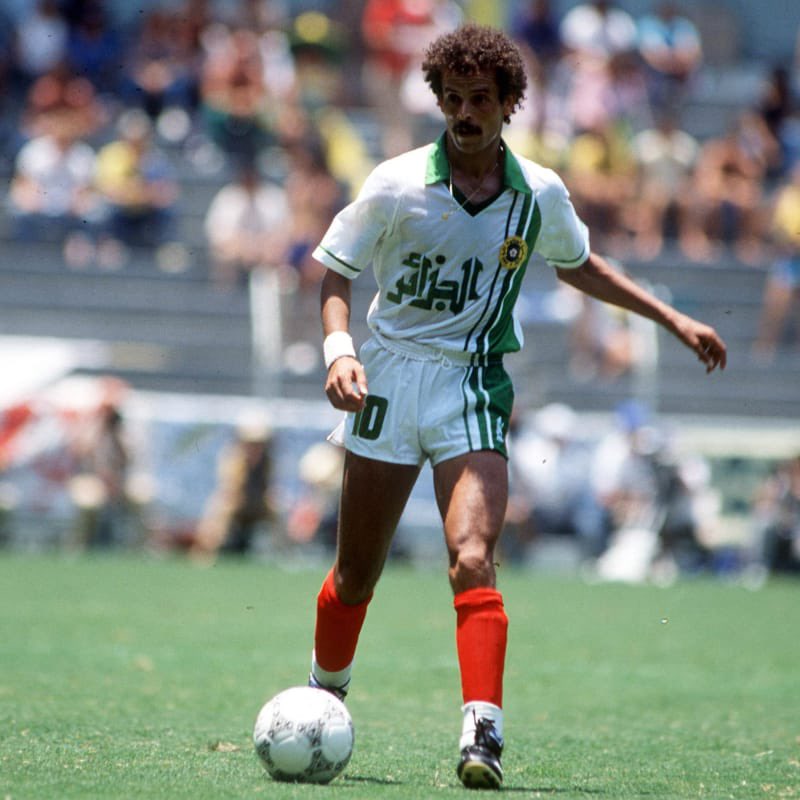
Lakhdar Belloumi, credited by many with inventing the modern no-look pass, shaped Algeria’s attacking identity in the 1980s.
At the 1980 AFCON, Belloumi illuminated matches with visionary passing and positional intelligence, leading Algeria to the final. His influence extended beyond tournaments; he helped define Algeria’s football philosophy for generations.
Even in tournaments he missed, Algeria’s tactical approach bore the imprint of Belloumi’s football mind.
Sadio Mané (Senegal)
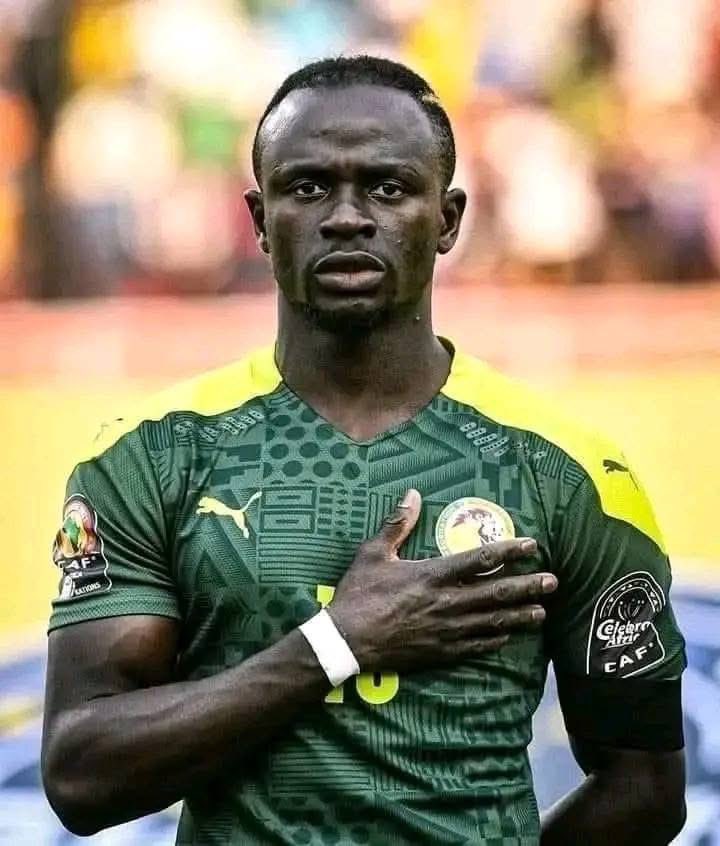
Sadio Mané became Senegal’s catalyst and emotional anchor during their 2022 AFCON triumph, the country’s first-ever continental title.
Wearing the Number 10, Mané delivered a complete tournament: scoring, assisting, linking play, and providing leadership marked by composure under pressure. His goal against Cape Verde and his fearless penalty in the final against Egypt showcased his mental strength.
He blended work rate with creativity, switching effortlessly between winger, playmaker, and forward depending on the team’s needs. His influence transformed Senegal from contenders into champions.
Gervinho (Ivory Coast)
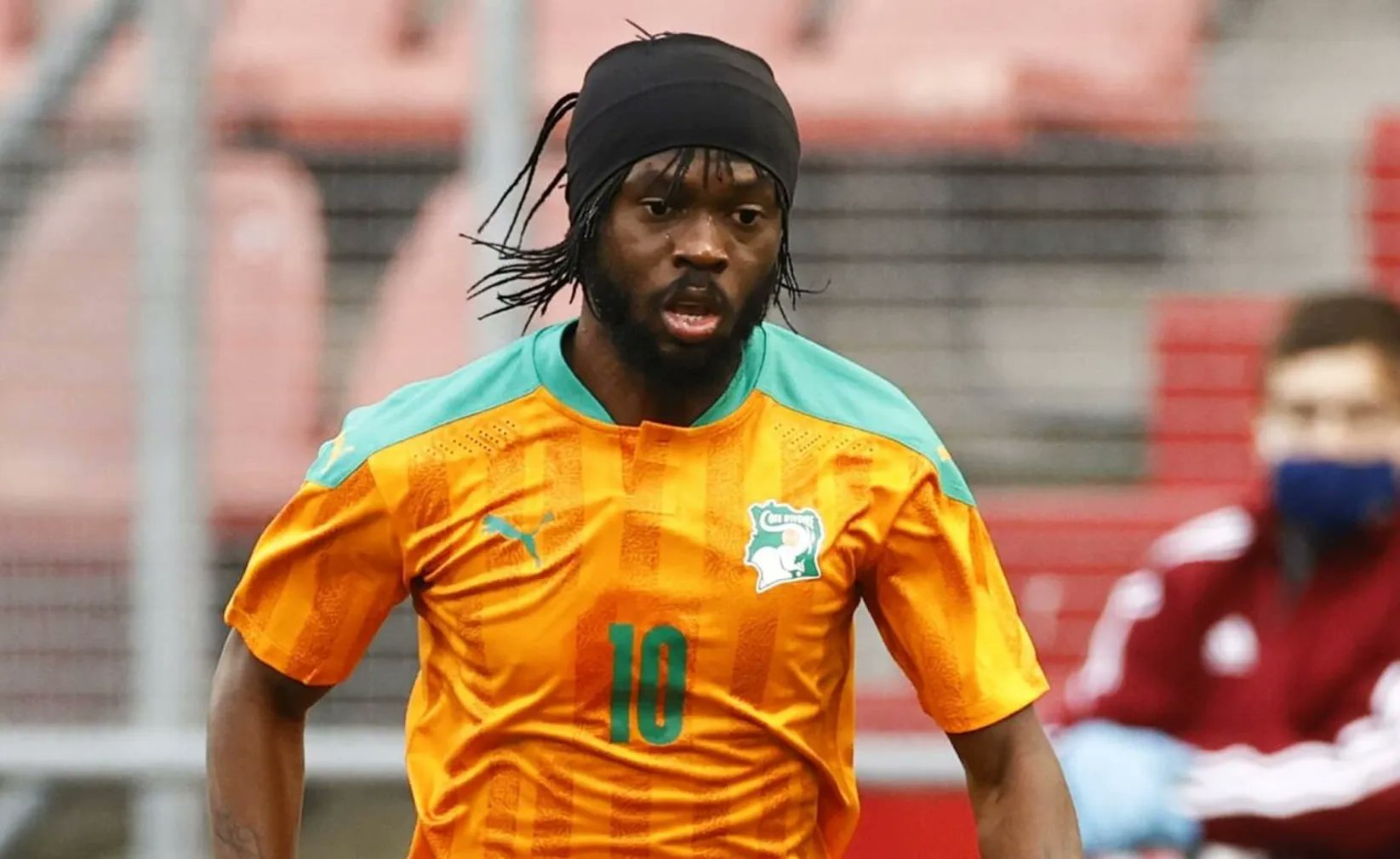
Gervinho’s AFCON legacy was built on directness, explosive running, and decisive transitions. Wearing the Number 10 for Ivory Coast during the early 2010s, he delivered iconic moments, none greater than his celebrated solo goal against Mali in 2012.
During the 2015 AFCON-winning campaign, Gervinho matured into a more tactical and efficient attacker, providing width, movement, and space creation that empowered the entire Ivorian attack.
John Mikel Obi (Nigeria)
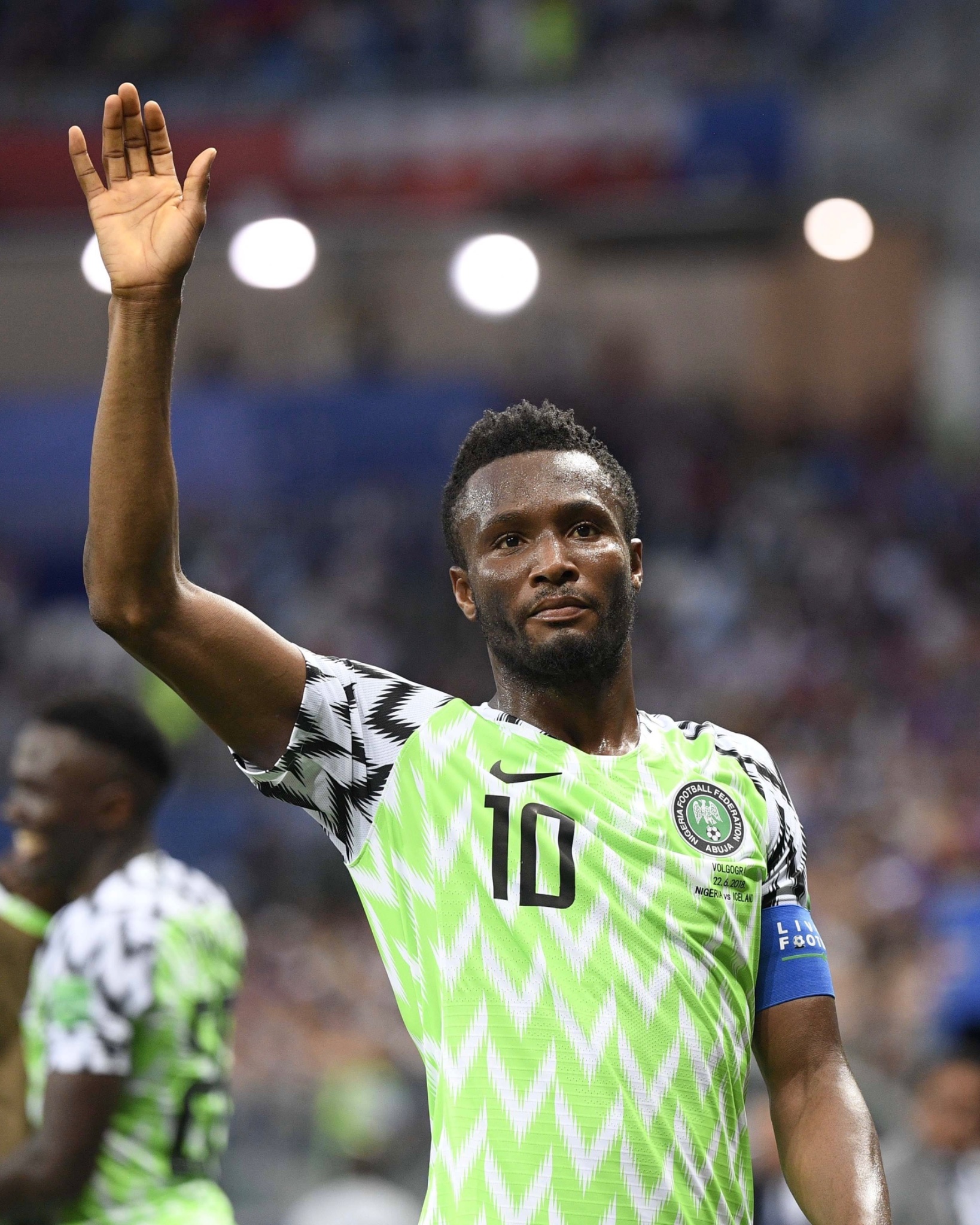
John Mikel Obi evolved into Nigeria’s Number 10 later in his career, taking on creative responsibilities while maintaining the discipline that defined his playing style.
At the 2013 AFCON, Mikel orchestrated Nigeria’s run to the title with calm leadership and exceptional ball retention. He controlled midfield tempo, broke opposition presses, and provided the structure that allowed the team to flourish under Stephen Keshi.
His semifinal performance against Mali demonstrated his blend of maturity, precision, and intelligence qualities that elevated Nigeria throughout the tournament.
André Ayew (Ghana)
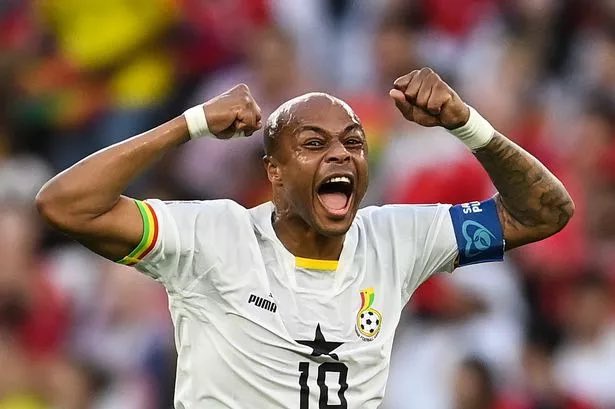
André Ayew has been one of modern AFCON’s most consistent performers. Wearing the Number 10 across multiple tournaments, he led Ghana to the 2015 final as the competition’s top scorer.
Ayew’s relentless ball-carrying, courage in tight spaces, and knack for decisive moments made him Ghana’s most dependable attacking threat. His longevity, spanning over a decade of high-level AFCON involvement, sets him apart.
Rabah Madjer (Algeria)
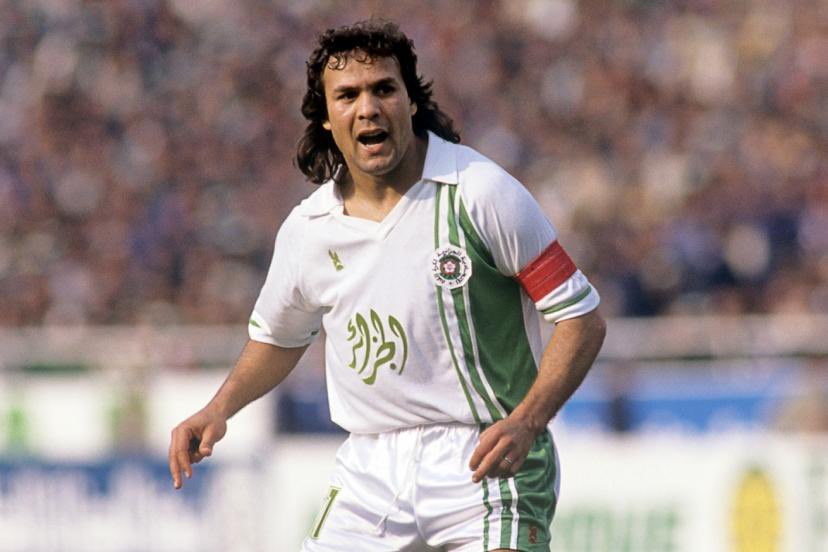
Though most associated with the Number 11, Rabah Madjer wore the Number 10 at the 1986 AFCON, stepping into a creative role in Belloumi’s absence.
Madjer showed adaptability, technique, and leadership, becoming Algeria’s most dangerous attacking outlet in a challenging tournament. His ability to score and create ensured Algeria remained competitive even without their primary playmaker.
Sneaking the first African to win the UEFA Champions League into this list is fitting not only because of his achievements but also because his influence shaped Algerian football into a continental powerhouse.